



Introduction
If you or someone you care about is living with persistent foot or heel pain, you may have come across the term “pavatalgia.” And if you are wondering how to diagnose pavatalgia disease, you are in the right place.
Pavatalgia is a term that describes pain originating in the foot or heel region. It comes from combining a root word related to the foot with the Greek suffix algia, meaning pain. While it sounds complex, understanding this condition begins with recognizing that pavatalgia is not a single isolated disease — it is a symptom-based diagnosis that points to underlying causes ranging from nerve compression to structural issues in the foot.
The challenge? Diagnosing pavatalgia is not always straightforward. Its symptoms often overlap with other conditions, and there is no single definitive test that confirms it on the spot. That is precisely why this guide exists.
In this complete 2026 guide, you will learn:
- What pavatalgia disease is and how it presents
- The earliest warning signs to watch for
- How doctors evaluate and diagnose this condition
- What diagnostic tests and imaging are involved
- When to see a specialist
- What happens after diagnosis
Whether you are a patient trying to understand your symptoms or a caregiver supporting a loved one, this guide gives you the knowledge you need to take the right steps forward.
What Is Pavatalgia Disease?
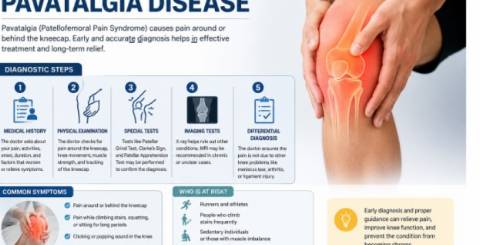
Before diving into diagnosis, it helps to understand what you are actually dealing with.
Pavatalgia refers specifically to pain in the foot, often centered around the heel or lower leg. In medical literature, it is treated similarly to how we describe “back pain” or “headache” — it tells you where the pain is, not necessarily what is causing it.
The most common areas affected include:
- The heel and the plantar fascia (the band of tissue along the bottom of your foot)
- The Achilles tendon and surrounding soft tissues
- The lower leg and ankle joint
- Nerve pathways running through the foot
Because pavatalgia can stem from multiple causes — nerve problems, structural imbalances, inflammation, overuse injuries, or even systemic health conditions — two people with the same diagnosis might have completely different underlying issues.
This complexity is exactly why knowing How to Diagnose Pavatalgia Disease correctly is so critical. The right diagnosis leads to the right treatment.
Early Warning Signs of Pavatalgia Disease
Recognizing Symptoms Before They Worsen
One of the most important steps in how to diagnose pavatalgia disease is identifying the early signs before the condition becomes chronic.
The most common early symptoms include:
- Heel pain first thing in the morning — A sharp, stabbing pain when you first step out of bed is one of the hallmark signs. It often eases after a few minutes but returns after long periods of sitting or standing.
- Persistent aching under the foot — A dull, throbbing pain beneath the arch or heel that worsens throughout the day.
- Pain that intensifies after activity — Running, walking, or standing for extended periods often triggers or amplifies discomfort.
- Tenderness to touch — Pressing the heel or arch area causes notable pain or sensitivity.
- Burning or tingling sensations — This may suggest nerve involvement in the foot region.
- Stiffness and reduced mobility — The foot may feel tight, especially after rest periods.
- Swelling around the heel or ankle — Though not always visible, inflammation can cause mild puffiness.
When Symptoms Become More Serious
If left unaddressed, pavatalgia can progress and cause:
- Difficulty walking or bearing weight on the affected foot
- Compensatory pain in the knee, hip, or lower back due to gait changes
- Chronic inflammation that leads to heel spurs
- Nerve damage if nerve compression is the root cause
Recognizing these warning signs early and seeking medical evaluation is the most effective way to prevent long-term complications.
How Doctors Diagnose Pavatalgia Disease: A Step-by-Step Process

Step 1 — Medical History Review
The first and arguably most important step in diagnosing How to Diagnose Pavatalgia Disease is a thorough review of your medical history.
Your healthcare provider will ask about:
- When the pain started and how it has progressed
- What activities make the pain better or worse
- Your occupation and daily physical demands
- Any previous injuries to the foot, ankle, or leg
- Existing medical conditions such as diabetes, arthritis, or obesity
- Family history of foot conditions
- Footwear habits and recent changes in exercise routine
This information helps the clinician narrow down potential causes and guides further testing decisions.
Step 2 — Physical Examination
After reviewing your history, the doctor will conduct a hands-on physical examination of the affected foot. This typically includes:
- Palpation — Pressing specific points on the heel, arch, and ankle to locate the exact source of pain
- Range of motion tests — Checking how freely the foot and ankle move in different directions
- Gait analysis — Watching how you walk to identify uneven weight distribution or compensatory movement patterns
- Muscle strength testing — Evaluating weakness in the foot or lower leg muscles
- Neurological assessment — Testing reflexes and sensation to check for nerve involvement
This physical evaluation is fundamental to understanding the nature and severity of your condition.
Diagnostic Tests Used to Confirm Pavatalgia Disease

Laboratory Tests
While there is no single blood test that diagnoses pavatalgia directly, laboratory tests help rule out conditions that can mimic it. Your doctor may order:
- Complete blood count (CBC) — Checks for signs of infection or systemic inflammation
- Erythrocyte sedimentation rate (ESR) and C-reactive protein (CRP) — Markers that indicate inflammatory conditions like rheumatoid arthritis
- Uric acid levels — Elevated levels may point to gout, which can cause intense foot pain
- Blood glucose testing — Diabetes is a common cause of neuropathic foot pain and must be ruled out
Imaging Studies
When physical findings are inconclusive, imaging provides a deeper look at the structures inside your foot.
X-Ray
X-rays are usually the first imaging test ordered. They are excellent for revealing:
- Heel spurs (bony growths that may accompany plantar fasciitis)
- Fractures or stress fractures
- Bone alignment issues
- Arthritis-related joint changes
X-rays show bones clearly but have limited usefulness for soft tissue conditions.
Ultrasound
Musculoskeletal ultrasound is increasingly popular for diagnosing pavatalgia because it:
- Visualizes the plantar fascia and tendons in real time
- Identifies thickening, tears, or inflammation in soft tissues
- Is non-invasive and does not involve radiation
- Can be performed in the clinic during your appointment
MRI (Magnetic Resonance Imaging)
An MRI is considered one of the most comprehensive tools for soft tissue evaluation. It can detect:
- Plantar fascia tears or ruptures
- Nerve entrapment conditions like tarsal tunnel syndrome
- Bone marrow changes or stress injuries
- Tumors or cysts in rare cases
MRI is often recommended when symptoms are severe, prolonged, or not responding to initial treatment.
Nerve Conduction Studies (NCS) and Electromyography (EMG)
If nerve involvement is suspected, your doctor may refer you for NCS/EMG testing. These tests measure:
- How fast electrical signals travel through the nerves
- Whether there is nerve damage or compression
- The health and function of the muscles served by those nerves
This is particularly useful when burning, tingling, or numbness is a dominant symptom.
Which Specialist Should You See?

Knowing who to consult is a practical part of understanding how to diagnose pavatalgia disease.
General Practitioner (GP): Your first point of contact. They will conduct the initial assessment and refer you to specialists as needed.
Podiatrist: A foot specialist with expertise in diagnosing and treating all conditions affecting the foot, ankle, and lower leg. Often the most direct route to an accurate diagnosis.
Orthopedic Surgeon: Specializes in bones, joints, and musculoskeletal conditions. Involved when structural abnormalities or surgical options are being considered.
Neurologist: Consulted when nerve-related causes of foot pain are suspected.
Rheumatologist: Evaluates the possibility of inflammatory arthritis, gout, or other systemic conditions.
Pain Management Specialist: For chronic pavatalgia cases that have not responded to standard treatments.
A multi-specialist approach is often necessary for complex or long-standing cases.
Conditions That Can Mimic Pavatalgia (Differential Diagnosis)
A skilled clinician will consider and rule out several other conditions before confirming a pavatalgia diagnosis. These include:
- Plantar fasciitis — Inflammation of the plantar fascia, the most common cause of heel pain
- Achilles tendinopathy — Pain and inflammation in the Achilles tendon
- Tarsal tunnel syndrome — Nerve compression in the ankle that causes shooting pain and numbness
- Stress fractures — Hairline cracks in the heel or foot bones from repetitive stress
- Bursitis — Inflammation of the fluid sacs near the heel
- Gout — Crystals of uric acid depositing in foot joints, causing severe pain
- Peripheral neuropathy — Nerve damage, often related to diabetes
- Fat pad atrophy — Thinning of the protective fat pad under the heel
Accurate differential diagnosis ensures you receive treatment tailored to the actual cause of your pain rather than a generic approach that may not be effective.
What Happens After Diagnosis?
Once you receive a confirmed diagnosis, your healthcare team will develop a personalized treatment plan. Common approaches include:
Conservative (Non-Surgical) Treatments:
- Rest and reduced activity, particularly activities that aggravate symptoms
- Stretching exercises targeting the plantar fascia and calf muscles
- Custom orthotics or arch support inserts to redistribute pressure
- Anti-inflammatory medications like ibuprofen or naproxen
- Physical therapy to strengthen foot muscles and improve biomechanics
- Ice therapy to reduce acute inflammation
- Night splints to gently stretch the plantar fascia while sleeping
Intermediate Treatments:
- Corticosteroid injections for persistent inflammation
- Platelet-rich plasma (PRP) therapy to stimulate tissue healing
- Shockwave therapy for chronic cases
Surgical Options: Reserved for severe cases that fail all conservative measures. Procedures may involve releasing the plantar fascia or addressing nerve entrapment.
Regular follow-up appointments are essential to monitor your progress and adjust the treatment plan as needed.
Practical Tips for Managing Pavatalgia at Home
While professional diagnosis and treatment are essential, you can take supportive steps at home:
- Choose supportive footwear — Avoid flat shoes, flip-flops, or walking barefoot on hard surfaces.
- Stretch daily — Calf stretches and towel stretches for the plantar fascia can significantly reduce morning pain.
- Maintain a healthy weight — Excess body weight puts additional strain on the heel and arch.
- Apply ice after activity — Fifteen to twenty minutes of ice on the heel helps reduce post-activity inflammation.
- Avoid sudden increases in activity — Gradually ramp up exercise intensity to prevent overuse injuries.
- Listen to your body — Pain is a signal. Do not push through severe discomfort.
Conclusion
Understanding how to diagnose pavatalgia disease is not just about knowing the medical terminology — it is about empowering yourself to take action. Foot pain is easy to ignore or dismiss as an inconvenience, but when left unaddressed, it can disrupt your mobility, alter your posture, and significantly reduce your quality of life.
Here is what you should take away from this guide:
- Early recognition matters. Morning heel pain, persistent aching, and burning sensations are signals that deserve attention.
- Diagnosis requires a team approach. Medical history, physical examination, lab work, and imaging all play a role. There is no single test that does it all.
- The right specialist makes a difference. A podiatrist or orthopedic specialist can provide the most accurate and efficient diagnostic pathway.
- Treatment works best when tailored to the cause. Once your specific underlying condition is identified, targeted treatment dramatically improves your recovery chances.
Do not wait for the pain to become unbearable. If you recognize any of the early signs described in this article, schedule an appointment with your healthcare provider. The sooner you get an accurate diagnosis, the sooner you can walk, move, and live without limitation.
Must Read The Article: New Orleans Saints vs Carolina Panthers Match Player Stats (Dec 14, 2025): Full Game Breakdown, Box Score & Top Performers
(FAQs)
Q1: What is the most important first step in diagnosing pavatalgia disease?
The most critical first step is a thorough medical history combined with a physical examination. This combination helps the clinician identify symptom patterns, potential causes, and guides the selection of appropriate diagnostic tests.
Q2: Can pavatalgia disease be diagnosed with a blood test alone?
No. There is no single blood test that confirms pavatalgia. Blood tests are used to rule out systemic conditions like gout, diabetes, or inflammatory arthritis that can cause similar symptoms.
Q3: How long does it typically take to diagnose pavatalgia disease?
The timeline varies. Some cases are diagnosed within one or two visits, while complex or unusual cases may take several weeks and require input from multiple specialists. Do not delay seeking care, as early diagnosis leads to better outcomes.
Q4: Can pavatalgia disease be mistaken for plantar fasciitis?
Yes. Plantar fasciitis is one of the most common causes of pavatalgia-type heel pain. A proper physical examination and imaging can help distinguish between the two, though in many cases plantar fasciitis is the confirmed diagnosis underlying the pavatalgia symptoms.
Q5: Is MRI always necessary to diagnose pavatalgia?
Not always. Many cases are diagnosed through history, physical examination, and basic imaging like X-ray or ultrasound. MRI is typically reserved for cases where symptoms are severe, persistent, or where soft tissue detail is needed.
Q6: When should I see a doctor about foot pain?
See a doctor if your foot or heel pain persists for more than two weeks, prevents you from walking normally, is accompanied by swelling or numbness, or worsens over time. Early evaluation prevents the condition from becoming chronic.
Q7: Can pavatalgia disease be completely cured?
In many cases, yes. When the underlying cause is identified and treated appropriately — through physical therapy, orthotics, medication, or lifestyle changes — most patients achieve full or significant relief. Prognosis depends heavily on the cause and how early treatment begins.
Related Topics: