



Introduction
Tiger Balm Faces Legal is one of the most widely recognized topical pain relief products in the world, used for generations to ease muscle aches, joint discomfort, headaches, and minor physical strain. Its distinctive aroma and fast-acting cooling sensation have made it a common fixture in households, pharmacies, and sports kits across many countries.
Despite its long history and global popularity, the product has also become part of an ongoing legal and regulatory discussion. Health authorities in different regions continue to evaluate how traditional topical remedies fit into modern drug safety frameworks, especially when they contain active substances such as menthol and camphor. These ingredients are widely used in medicinal products, but they must be carefully regulated due to potential risks if misused or applied in excessive amounts.
Quick Bio:
| Topic | Details |
|---|---|
| Product Name | Tiger Balm |
| Product Type | Topical Pain Relief Ointment |
| Origin Country | Singapore |
| Parent Company | Haw Par Corporation |
| Main Use | Relief for muscle pain, headaches, joint aches |
| Key Ingredients | Menthol, Camphor, Cajuput Oil, Clove Oil |
| First Introduced | 1920s |
| Common Forms | Ointment, patches, creams, gels |
| Regulatory Category | Over-the-counter topical analgesic |
| Main Concerns | Skin irritation, misuse, ingredient safety |
| Popular Markets | Asia, Europe, North America |
| Legal Focus | Labeling, ingredient concentration, safety warnings |
The History and Popularity of Tiger Balm
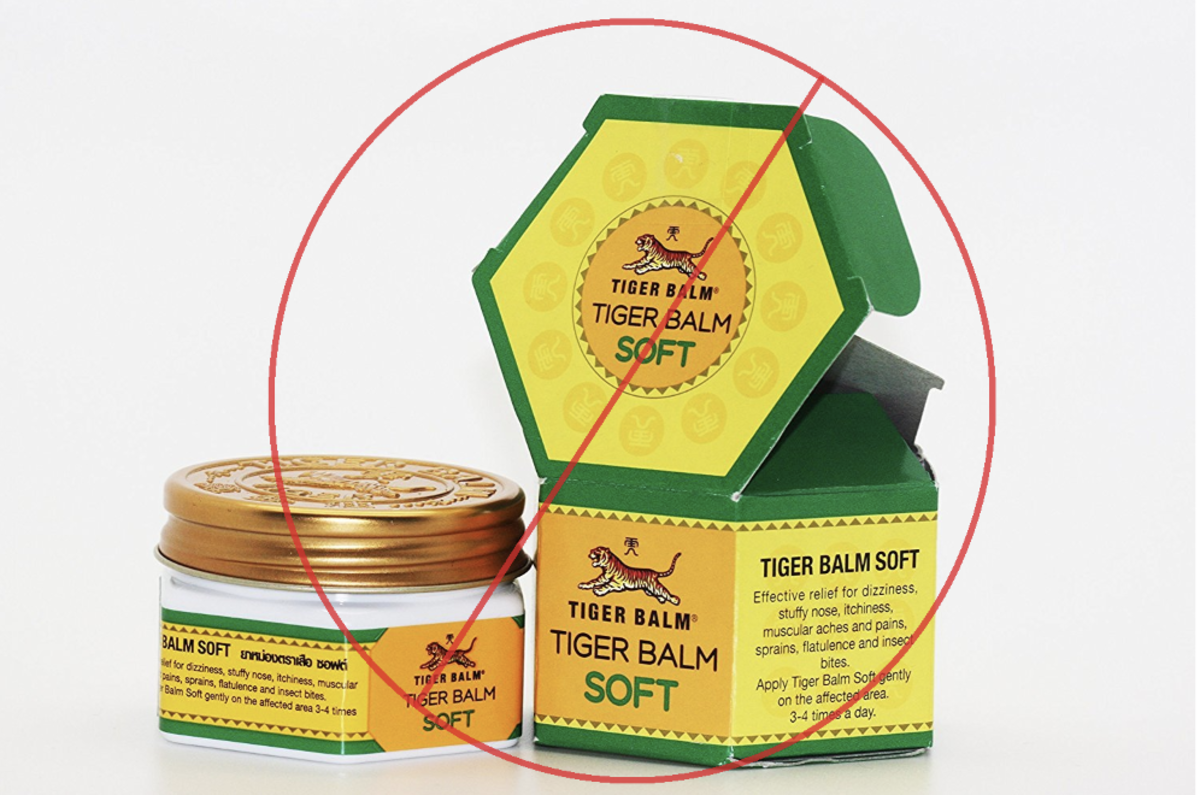
Tiger Balm Faces Legal originated from traditional herbal medicine practices and gradually evolved into a globally marketed pain relief product. The formula was originally developed by herbal practitioners who aimed to create a remedy for sore muscles and physical discomfort. Over time, the product expanded internationally and became especially popular among athletes, elderly users, and individuals seeking non-prescription pain relief.
The product’s popularity comes largely from its cooling and warming effects. Ingredients such as menthol and camphor stimulate nerve endings on the skin, creating sensations that temporarily distract from pain. Many users also associate the product with natural or traditional healing methods, which contributes to its long-standing consumer trust However, increased popularity also means increased responsibility for manufacturers and regulators. Modern consumers expect detailed safety information, scientifically verified labeling, and stronger protections against harmful side effects. As a result, traditional remedies are now expected to meet the same standards as many pharmaceutical and healthcare products sold globally.
Understanding the Ingredients That Raise Concerns
One of the main reasons Tiger Balm Faces Legal receives regulatory attention is because of its active ingredients. While these substances are commonly used in topical medicines, they can become risky if used excessively or incorrectly. Regulatory agencies often focus on the concentration levels of these ingredients and the warnings provided to consumers Menthol is one of the primary ingredients in Tiger Balm Faces Legal. It creates a cooling sensation that may help reduce the perception of pain. Although generally considered safe in small amounts, high concentrations can irritate sensitive skin or trigger allergic reactions in some individuals. Excessive use may also lead to burning sensations or redness.
Clove oil and cajuput oil also contribute to the Tiger Balm Faces Legal warming effect. These oils are widely used in traditional medicine, but they may cause skin irritation or allergic responses in certain users. Regulatory agencies often require companies to disclose these risks clearly on product packaging The concern is not simply that these ingredients exist. Rather, regulators want manufacturers to ensure safe concentrations, accurate labels, and appropriate usage instructions for consumers who may not fully understand the risks associated with topical medicines.
Why Regulators Monitor Topical Pain Relief Products
Government health agencies carefully regulate over-the-counter products because consumers can purchase them without prescriptions. Unlike prescription medicines, products like Tiger Balm Faces Legal are often used without direct medical supervision, increasing the importance of clear instructions and safety warnings In the United States, the U.S. Food and Drug Administration monitors topical analgesics under over-the-counter drug regulations. Products containing menthol or camphor must follow concentration limits and labeling requirements. Similar regulations exist in Europe, Canada, Australia, and several Asian countries.
Another major concern involves children. Young children have thinner skin and lower tolerance for strong ingredients like camphor. Regulatory agencies therefore require warnings that advise parents to keep such products out of children’s reach These safety concerns explain why authorities frequently review topical analgesic products and update regulations based on new scientific evidence.
Legal Challenges and Consumer Protection Issues
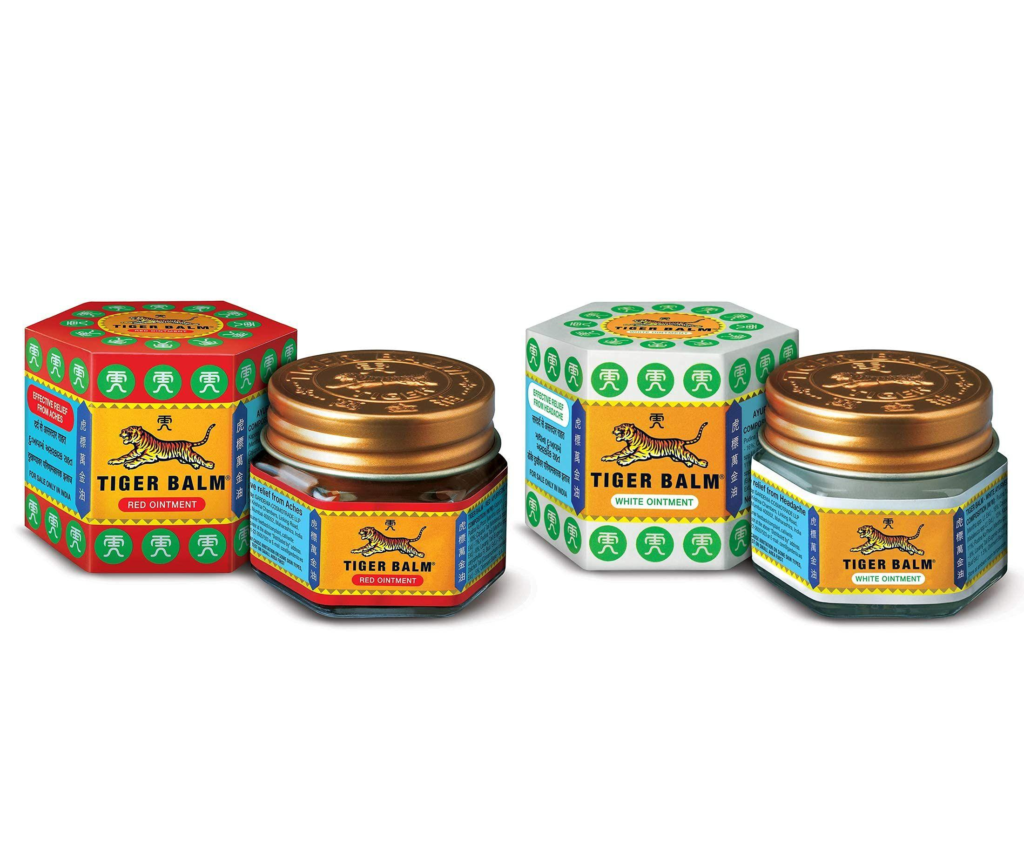
The legal debate surrounding Tiger Balm Faces Legal also involves consumer protection laws. Companies that manufacture health-related products must ensure that marketing claims are truthful, scientifically supportable, and not misleading to consumers In some cases, regulators question whether certain advertising claims exaggerate the product’s effectiveness. Authorities may intervene if companies imply that a topical Tiger Balm Faces Legal can treat serious medical conditions without proper scientific evidence. Regulations exist to prevent consumers from relying on over-the-counter products instead of seeking necessary medical care.
There are also international regulatory differences that create challenges for global brands. Some ingredients permitted in one country may face tighter restrictions elsewhere. Companies operating internationally must therefore adapt formulations and labels to comply with local laws As consumer awareness grows, legal pressure on health and wellness brands continues to increase. Modern consumers expect transparency, scientific accountability, and safer product standards from companies selling medicinal products.
Scientific Debate Around Traditional Remedies
Tiger Balm Faces Legal sits at the intersection of traditional medicine and modern healthcare regulation. Supporters argue that the product has been safely used for generations and remains effective for temporary pain relief. Many consumers trust traditional herbal formulations because of long cultural histories and personal experiences Critics, however, emphasize that traditional use alone should not replace modern scientific testing. Regulatory agencies increasingly demand clinical evidence, standardized ingredient measurements, and documented safety evaluations before products can make medical claims.
This debate reflects a broader issue affecting many herbal and alternative medicine products worldwide. Regulators must balance cultural traditions with evidence-based healthcare standards. While consumers value natural remedies, authorities also have a responsibility to ensure public safety Tiger Balm Faces Legal situation demonstrates how difficult this balance can become. The product remains widely accepted, yet regulators continue reviewing its ingredients and labeling practices to align with evolving consumer protection laws.
Potential Risks Consumers Should Understand
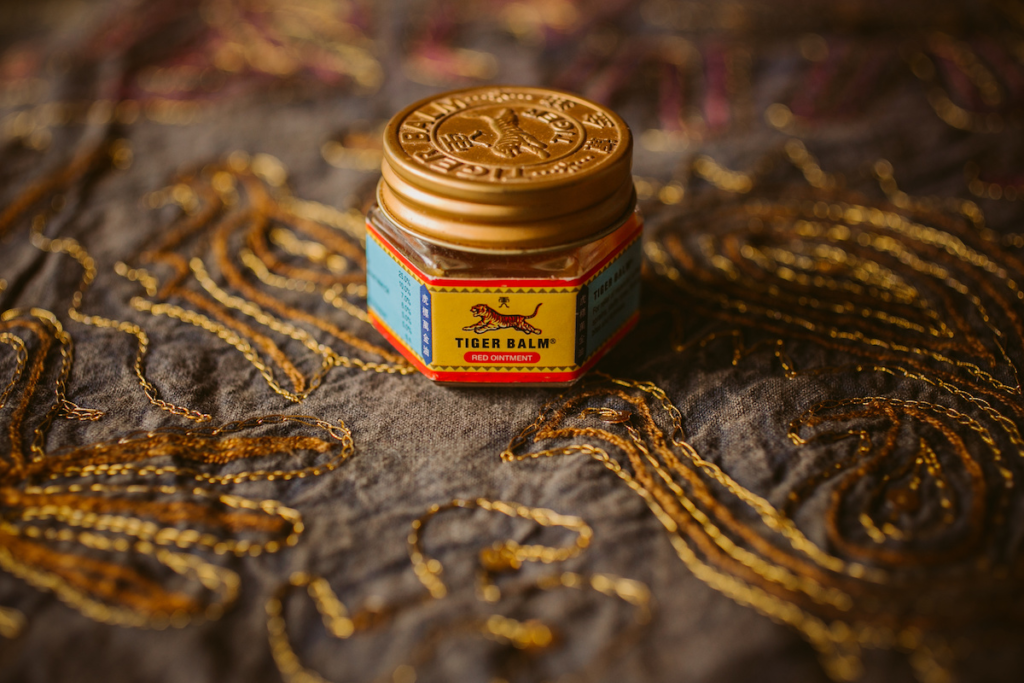
Although Tiger Balm Faces Legal is generally considered safe when used correctly, misuse can increase health risks. Consumers should always follow package instructions carefully and avoid excessive application Some users experience allergic reactions, including redness, itching, or skin irritation. Individuals with sensitive skin may react more strongly to menthol, camphor, or essential oils found in the product. Conducting a small patch test before regular use is often recommended.
Pregnant individuals and people with certain medical conditions should consult healthcare professionals before using strong topical products. While occasional use may be safe for many people, medical guidance helps reduce unnecessary risks Understanding these precautions is important because over-the-counter products are sometimes viewed as completely harmless. In reality, any medicinal product carries potential risks when used improperly.
How Regulations May Change in the Future
As healthcare regulations continue evolving, topical pain relief products may face stricter oversight in coming years. Authorities increasingly prioritize ingredient transparency, clearer warning labels, and stronger evidence supporting product claims Future regulations could require manufacturers to provide more detailed consumer education regarding safe usage and possible side effects. Some countries may also introduce tighter restrictions on ingredient concentrations, especially for products marketed toward families or older adults.
Digital commerce has also created new regulatory challenges. Products sold online can cross international borders quickly, making enforcement more difficult. Regulators are therefore focusing more attention on imported healthcare and wellness products Companies that adapt to these changing standards may strengthen consumer trust over time. Brands that emphasize transparency, compliance, and safety are likely to perform better in increasingly regulated global markets.
Conclusion
Tiger Balm Faces Legal remains one of the world’s most recognized topical pain relief products, supported by decades of consumer use and traditional medicine history. Its combination of menthol, camphor, and herbal oils continues to attract users seeking fast, non-prescription relief for minor aches and pains At the same time, growing regulatory attention reflects broader concerns about consumer safety, ingredient risks, product labeling, and healthcare transparency. Authorities are not necessarily targeting Tiger Balm Faces Legal specifically because it is dangerous. Instead, they are applying modern healthcare standards to products that millions of consumers use without direct medical supervision.
The legal and regulatory debate surrounding Tiger Balm Faces Legal highlights the ongoing challenge of balancing traditional remedies with scientific oversight. As regulations evolve, companies and consumers alike must remain informed about ingredient safety, proper usage, and changing healthcare standards Ultimately, understanding how these products work — along with their benefits and risks — allows consumers to make safer and more informed decisions.
Must Read The Article: Exploring Roartechmental Tech Infoguide by Riproa in 2026
(FAQs)
1.Is Tiger Balm considered safe for regular use?
Tiger Balm Faces Legal is generally considered safe when used according to package instructions. However, excessive use or improper application may cause irritation or allergic reactions.
2.Why do regulators monitor Tiger Balm ingredients?
Regulators monitor ingredients like camphor and menthol because high concentrations or misuse may create health risks, especially for children or sensitive users.
3.Can Tiger Balm cause skin irritation?
Yes. Some users may experience redness, itching, burning sensations, or allergic reactions after applying the product.
4.Is camphor in Tiger Balm dangerous?
Camphor can become harmful if swallowed or heavily overused. This is why regulatory agencies require warning labels and concentration limits.
5.Why is Tiger Balm sold without a prescription?
Tiger Balm Faces Legal is classified as an over-the-counter topical analgesic because it is intended for temporary relief of minor pain conditions.
6.Are herbal pain relief products regulated like medicines?
In many countries, herbal topical products must follow regulations involving ingredient safety, labeling accuracy, and consumer protection standards.
7.Can children use Tiger Balm?
Children should only use Tiger Balm Faces Legal under adult supervision and according to age-specific safety guidelines listed on the packaging.
8.Why does Tiger Balm face legal attention internationally?
Different countries maintain different healthcare regulations. International brands must comply with varying ingredient restrictions and labeling laws worldwide.
Related Topics: