


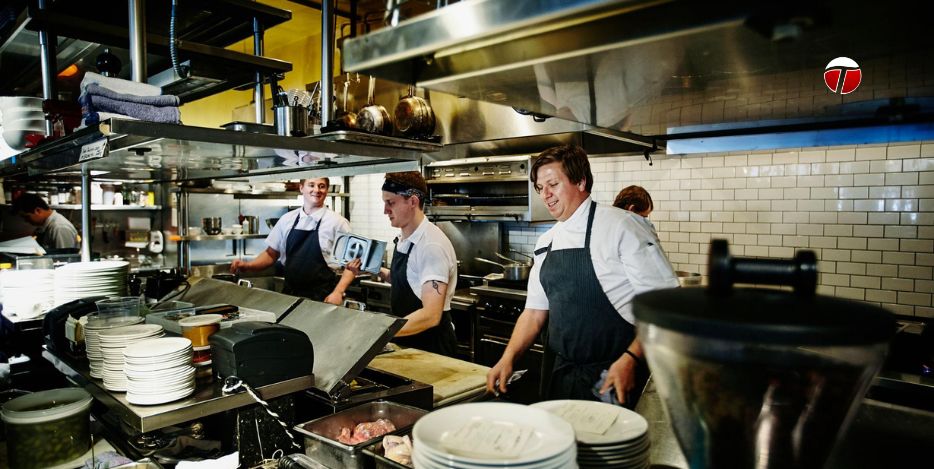
Professional kitchens rely on structure, discipline, and teamwork to deliver quality meals consistently. Within this fast-moving environment, the Chef de Partie plays a critical role in maintaining order and ensuring every dish meets the restaurant’s standards. Often called a “station chef” or “line chef,” this position carries both technical and leadership responsibilities. A Chef de Partie manages a specific section of the kitchen while coordinating with the rest of the culinary team during service.
The role is considered one of the most important positions in the kitchen hierarchy because it bridges the gap between junior cooks and senior chefs. Whether working in fine dining restaurants, luxury hotels, cruise ships, or busy catering operations, a Chef de Partie is expected to combine culinary expertise with strong organizational skills. Running a section efficiently requires attention to detail, speed, communication, and consistency under pressure.
Quick Bio:
| Category | Details |
|---|---|
| Job Title | Chef de Partie |
| Also Known As | Station Chef / Line Chef |
| Main Responsibility | Managing a specific kitchen section |
| Common Sections | Grill, Sauce, Pastry, Fish, Pantry |
| Reports To | Sous Chef or Head Chef |
| Key Skills | Leadership, timing, food preparation, teamwork |
| Work Environment | Restaurants, hotels, resorts, catering kitchens |
| Experience Level | Mid-level culinary professional |
| Career Path | Commis Chef → Demi Chef → Chef de Partie → Sous Chef |
| Main Goal | Deliver high-quality dishes efficiently |
What Is a Chef de Partie?
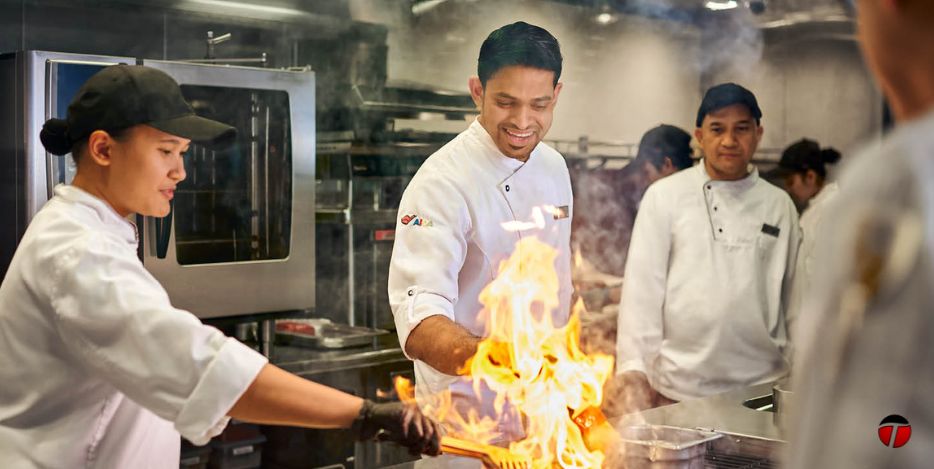
A Chef de Partie is responsible for overseeing one designated area of the kitchen. In large kitchens, each section operates almost like a small independent unit, requiring its own preparation, organization, and quality control. The Chef de Partie ensures that every dish leaving their station meets presentation, taste, and timing standards established by the head chef.
Different kitchen sections require specialized knowledge and techniques. For example, a grill section focuses on meats and cooking temperatures, while the pastry section requires precision baking and dessert preparation skills. Because of this specialization, Chef de Partie professionals become highly skilled in their assigned areas while still understanding overall kitchen operations.
The Importance of Kitchen Sections
Professional kitchens divide responsibilities into stations to improve speed and efficiency during service. Without this structure, kitchens could quickly become chaotic, especially during busy dining hours. Each section has clear responsibilities, allowing chefs to focus on specific tasks while working together as one coordinated team.
A Chef de Partie acts as the leader of that station. They prepare ingredients, monitor inventory, supervise junior staff, and ensure dishes are completed on time. Since restaurant service depends heavily on timing, every station must function smoothly. If one section falls behind, the entire kitchen operation can suffer, affecting customer satisfaction and service quality.
Common Types of Chef de Partie Roles
There are several types of Chef de Partie positions depending on the kitchen’s size and menu style. One of the most common is the Saucier, who prepares sauces, gravies, and sautéed dishes. This role is often considered highly respected because sauces form the foundation of many dishes in classical cuisine.
Another important role is the Grill Chef, also known as the Grillardin, who specializes in grilled meats and seafood. The Pastry Chef de Partie handles desserts, baked goods, and sweet preparations, while the Poissonier focuses on fish dishes. In larger establishments, additional specialized stations may include vegetable preparation, cold dishes, and butchery.
Daily Responsibilities of a Chef de Partie
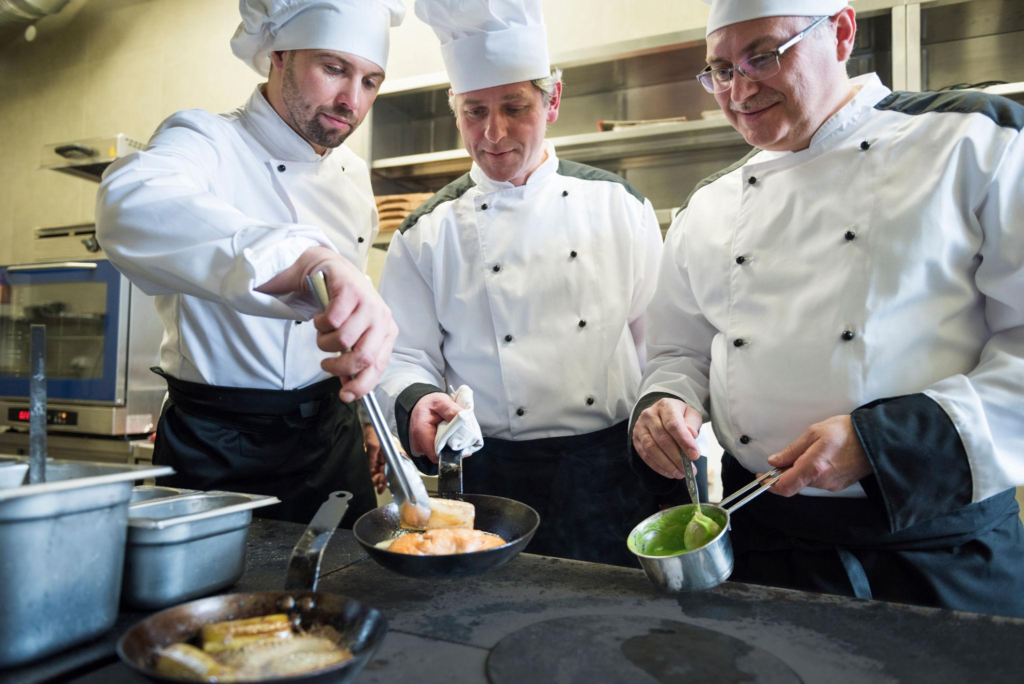
A Chef de Partie begins the day by preparing ingredients for service. This process, known as mise en place, includes chopping vegetables, portioning proteins, preparing sauces, and organizing tools and equipment. Proper preparation ensures the station can operate efficiently during busy service hours.
During service, the Chef de Partie coordinates orders, supervises junior cooks, and maintains consistency in every dish. They must work quickly while paying close attention to detail. After service ends, responsibilities continue with cleaning the station, storing ingredients properly, and preparing for the next shift. Maintaining hygiene and food safety standards is also a critical part of the role.
Leadership Skills in the Kitchen
Although cooking ability is essential, leadership skills are equally important for a successful Chef de Partie. Station chefs often supervise commis chefs, apprentices, or junior line cooks. They must provide guidance, delegate tasks, and ensure everyone works together efficiently under pressure.
Strong communication helps prevent mistakes during service. Kitchens can become stressful environments with constant movement and high customer expectations. A Chef de Partie who remains calm and organized helps maintain team morale and keeps operations running smoothly. Respect, discipline, and teamwork are highly valued traits in professional kitchens.
Time Management and Organization
Efficiency in a kitchen depends heavily on time management. Orders arrive quickly, and multiple dishes often need to be completed simultaneously. A Chef de Partie must prioritize tasks carefully while maintaining quality standards. Poor organization can lead to delays, mistakes, and wasted ingredients.
Successful station management requires careful planning before service even begins. Ingredients should be arranged logically, tools kept within reach, and backup supplies prepared in advance. Experienced chefs develop systems that help them move quickly and efficiently during busy periods. This preparation allows them to handle pressure without compromising food quality.
Food Quality and Consistency
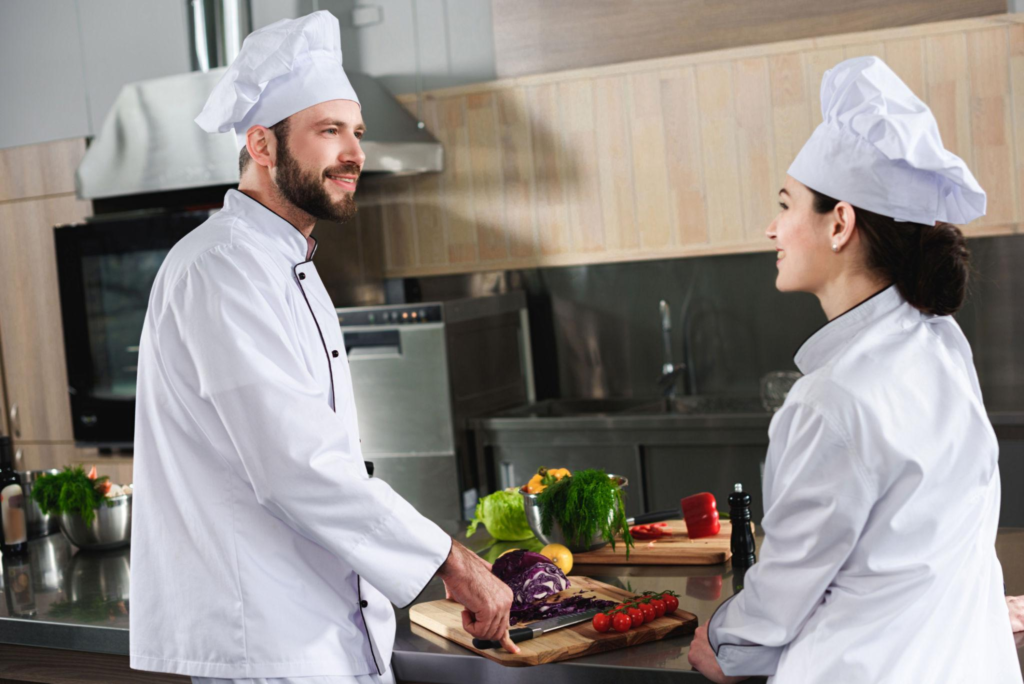
One of the biggest responsibilities of a Chef de Partie is maintaining consistency. Customers expect the same flavor, texture, and presentation every time they order a dish. Even small mistakes can affect the restaurant’s reputation and customer experience.
Consistency requires attention to recipes, cooking times, seasoning, and plating techniques. A Chef de Partie must monitor every plate leaving the station to ensure it matches the restaurant’s standards. This level of quality control is especially important in fine dining establishments where presentation and precision are essential.
Working Under Pressure
Kitchen environments are known for being demanding and fast-paced. During peak service hours, chefs may handle dozens of orders simultaneously while working in high temperatures and limited spaces. A Chef de Partie must stay focused and composed even during stressful situations.
Handling pressure effectively comes with experience and preparation. Organized stations, clear communication, and teamwork help reduce stress during service. Many successful chefs develop mental discipline and strong routines that allow them to remain efficient even during extremely busy periods.
Food Safety and Hygiene Standards
Food safety is a major responsibility in every professional kitchen. A Chef de Partie must follow hygiene regulations carefully to protect customers and maintain health standards. This includes proper food storage, temperature control, cleanliness, and avoiding cross-contamination.
Regular cleaning throughout service is essential for maintaining a safe work environment. Station chefs also monitor ingredient freshness and ensure equipment is sanitized properly. Restaurants that fail to maintain hygiene standards can face serious health violations and damage to their reputation.
Career Growth Opportunities
The Chef de Partie position is often seen as an important stepping stone in a culinary career. It provides chefs with leadership experience and specialized technical knowledge. Many professionals spend several years mastering station management before moving into higher leadership roles.
With experience, a Chef de Partie may advance to Sous Chef, where responsibilities include managing larger sections of the kitchen and assisting the Head Chef with menu planning and operations. Eventually, skilled chefs can become Executive Chefs, overseeing entire kitchen teams and restaurant culinary strategies.
Challenges of the Role
While the position offers valuable experience and career growth, it also comes with challenges. Long working hours, physical demands, and high-pressure environments can make kitchen work exhausting. Standing for extended periods, handling hot equipment, and maintaining focus during busy shifts require stamina and discipline.
Another challenge is balancing speed with quality. Customers expect fast service, but restaurants cannot compromise on presentation or taste. Chef de Partie professionals must constantly improve their skills to maintain efficiency without sacrificing standards.
Why the Role Matters in Modern Kitchens
Modern restaurants rely heavily on teamwork and specialization. The Chef de Partie system allows kitchens to operate efficiently while maintaining consistent food quality. Each station functions as part of a larger coordinated operation, making communication and organization essential.
As restaurant industries continue evolving, skilled station chefs remain highly valuable. Customers today expect professional presentation, reliable quality, and efficient service. A well-trained Chef de Partie helps restaurants meet these expectations while supporting overall kitchen performance.
Conclusion
The role of a Chef de Partie is far more than simply cooking food. It combines culinary expertise, leadership, organization, and problem-solving within one demanding position. Running a kitchen section efficiently requires preparation, communication, consistency, and the ability to perform under pressure.
For aspiring culinary professionals, becoming a Chef de Partie is an important milestone that develops both technical and management skills. Whether working in a luxury hotel or a busy restaurant kitchen, successful station chefs play a major role in delivering exceptional dining experiences. Their contribution keeps kitchens organized, service efficient, and food quality consistently high.
Must Read The Article: Technologies Hearthssgaming Trends You Should Watch in 2026
(FAQs)
1.What does a Chef de Partie do?
A Chef de Partie manages a specific section of the kitchen, prepares dishes, supervises junior staff, and ensures food quality and efficiency during service.
2.Is Chef de Partie a senior position?
It is considered a mid-level leadership role in professional kitchens. A Chef de Partie usually reports to the Sous Chef or Head Chef.
3.What skills are needed to become a Chef de Partie?
Important skills include cooking techniques, organization, communication, leadership, teamwork, and time management.
4.How many hours does a Chef de Partie work?
Working hours vary depending on the restaurant, but shifts are often long and may include evenings, weekends, and holidays.
5.Can a Chef de Partie become a Head Chef?
Yes. With experience and strong leadership abilities, a Chef de Partie can progress to Sous Chef and eventually Head Chef or Executive Chef positions.
6.What is the difference between Sous Chef and Chef de Partie?
A Chef de Partie manages one kitchen section, while a Sous Chef oversees multiple sections and assists the Head Chef with overall kitchen operations.
7.Which kitchen section is the hardest to manage?
This depends on the restaurant, but sauce, grill, and pastry sections are often considered demanding because they require precision and timing.
8.Why is mise en place important for a Chef de Partie?
Mise en place ensures ingredients and tools are fully prepared before service begins, helping chefs work faster and more efficiently during busy periods.
Related Topics: