

Introduction
i am a college student. are la roche-posay products better for acne-prone skin than neutrogena? is already stressful enough — late-night study sessions, irregular sleep, a diet that’s largely made up of dining hall food and instant noodles. The last thing you need is a breakout flaring up right before a big exam or a first date. Acne is incredibly common among college-aged students, and the overwhelming number of skincare products on the market makes choosing the right one feel like another impossible assignment.
Two brands come up again and again when people start researching acne-friendly skincare: La Roche-Posay and Neutrogena. Both are widely available, both are marketed toward people with sensitive or breakout-prone skin, and both have massive fan bases. But they sit at very different price points and target somewhat different audiences. So which one actually works better for college i am a college student. are la roche-posay products better for acne-prone skin than neutrogena? dealing with acne? The honest answer is more nuanced than a simple “buy this one” — but after a closer look at ingredients, dermatologist recommendations, and real-world use, a clearer picture does emerge.
This guide breaks down everything you need to know: what each brand offers for acne-prone skin, how their key products compare ingredient by ingredient, what dermatologists say, and how to build a simple, effective routine that won’t drain your student budget.
Quick Facts:
| Feature | La Roche-Posay | Neutrogena |
|---|---|---|
| Country of Origin | France | USA |
| Parent Company | L’Oréal | Johnson & Johnson |
| Price Range | $15–$40 per product | $7–$20 per product |
| Dermatologist Recommended | Yes (widely cited) | Yes (heavily marketed) |
| Key Acne Ingredient | Niacinamide, Salicylic Acid, LHA | Salicylic Acid, Benzoyl Peroxide |
| Fragrance-Free Options | Most products | Some products |
| Sensitive Skin Focus | Strong | Moderate |
| Availability | Drugstores, pharmacies, online | Drugstores, supermarkets, online |
What Makes a Skincare Brand Good for Acne-Prone Skin?
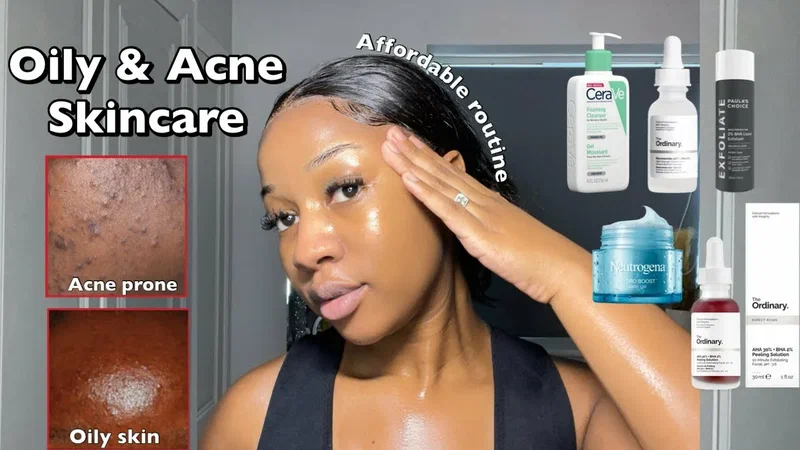
Before comparing these two brands head-to-head, it helps to understand what actually matters when you’re shopping for acne-prone skin. It’s not just about what clears a pimple overnight — it’s about what keeps your skin balanced, non-irritated, and less prone to future breakouts.
The most important qualities in acne-targeted skincare include non-comedogenic formulas (meaning they won’t clog pores), gentle cleansing that doesn’t strip your skin’s natural barrier, and active ingredients proven to target acne-causing bacteria or excess oil. Fragrance is often a hidden irritant, especially for sensitive or reactive skin, so fragrance-free formulations tend to be preferable. Dermatologist testing is a good signal, though it doesn’t automatically mean a product is superior.
Both La Roche-Posay and Neutrogena hit many of these marks, but they take different philosophical approaches. La Roche-Posay leans heavily into the “gentle, skin-barrier-first” philosophy that’s rooted in French dermatological tradition. Neutrogena, on the other hand, has long been positioned as a straightforward, results-oriented drugstore brand that gets the job done without a lot of fuss. Understanding this difference is key to figuring out which one is right for you.
La Roche-Posay: What College Students Need to Know
La Roche-Posay was founded in France in 1975 and has built its reputation on products recommended and used by dermatologists. The brand’s entire philosophy is rooted in skin tolerance — meaning their formulas are specifically engineered to be gentle on reactive, sensitive, and compromised skin. One of their most distinctive features is the use of La Roche-Posay Thermal Spring Water, which is included in many of their formulas and is claimed to have soothing, antioxidant properties.
For acne-prone skin specifically, their standout product line is the Effaclar range. The Effaclar Duo (+) contains both salicylic acid and a compound called LHA (lipo-hydroxy acid), which is a gentler derivative of salicylic acid that exfoliates the skin surface more gradually. Their Effaclar Gel Cleanser is a fan favorite for oily and acne-prone skin — it removes excess oil without over-drying. Many dermatologists specifically recommend La Roche-Posay to patients with sensitive skin who’ve had bad reactions to harsher products in the past.
The one downside that matters enormously when you’re a college student on a tight budget: La Roche-Posay is more expensive. A single product often runs between $15 and $40. However, many i am a college student. are la roche-posay products better for acne-prone skin than neutrogena? find that using fewer, better-formulated products (rather than layering multiple cheap ones) saves money in the long run and causes fewer skin problems.
Neutrogena: The Classic College Dorm Staple
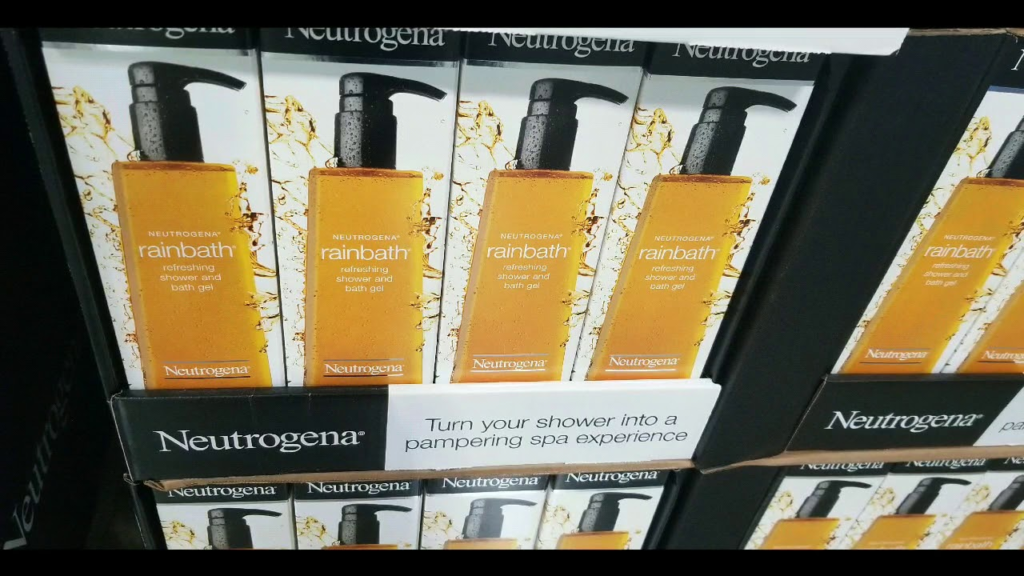
Neutrogena has been a staple of American drugstore skincare since the 1930s, and it remains one of the most recognizable names in acne treatment. For decades, it was the brand dermatologists pointed patients toward when they wanted an affordable over-the-counter option. The brand’s acne-targeted product lines include everything from cleansers and moisturizers to spot treatments and sunscreens.
Their most iconic product for acne is the Oil-Free Acne Wash, which contains 2% salicylic acid — a concentration strong enough to meaningfully exfoliate and clear pores. Neutrogena also makes one of the most popular benzoyl peroxide spot treatments available without a prescription. For college students who want something affordable, widely available (you can find it at pretty much any Walmart, Target, or CVS), and backed by decades of consumer use, Neutrogena is a reasonable choice.
That said, Neutrogena’s formulas have come under more scrutiny in recent years. Some dermatologists have noted that certain Neutrogena cleansers and treatments can be quite harsh, particularly for those with dry or sensitive skin types. Stripping skin of its natural oils doesn’t always help with acne — it can actually trigger more oil production and worsen breakouts over time. Additionally, some Neutrogena products do contain fragrance, which can be irritating for reactive skin types.
Ingredient Comparison: What’s Actually Going Into Your Skin?
This is where things get really interesting — and where La Roche-Posay starts to pull ahead for a specific type of college i am a college student. are la roche-posay products better for acne-prone skin than neutrogena? . Let’s look at the key active ingredients in each brand’s acne-focused lineup.
Salicylic Acid is the common denominator. Both brands use it, and it’s genuinely one of the most effective over-the-counter acne ingredients available. It’s a beta-hydroxy acid (BHA) that penetrates oil and unclogs pores from inside. Neutrogena’s Oil-Free Acne Wash uses 2% salicylic acid; La Roche-Posay’s Effaclar products use lower concentrations of salicylic acid alongside LHA, which makes the exfoliation more gradual and less likely to cause irritation.
Benzoyl Peroxide is where Neutrogena has an edge in terms of immediate acne-fighting power. It kills acne-causing bacteria directly and is particularly effective for inflammatory acne (the red, raised, painful kind). La Roche-Posay’s Effaclar line does not prominently feature benzoyl peroxide in most of its formulas. However, benzoyl peroxide can be very drying and may bleach towels and pillowcases — something worth knowing when you’re living in a shared dorm situation.
Niacinamide is increasingly recognized as a powerhouse ingredient for acne-prone skin, and La Roche-Posay incorporates it more consistently. Niacinamide reduces inflammation, minimizes pores, regulates sebum production, and helps fade post-acne dark spots. For college i am a college student. are la roche-posay products better for acne-prone skin than neutrogena? dealing with the aftermath of breakouts — those lingering red or dark marks — niacinamide can make a meaningful difference in how your skin looks overall, not just whether you have active pimples.
Dermatologist Opinions: Which Brand Do Skin Doctors Actually Prefer?
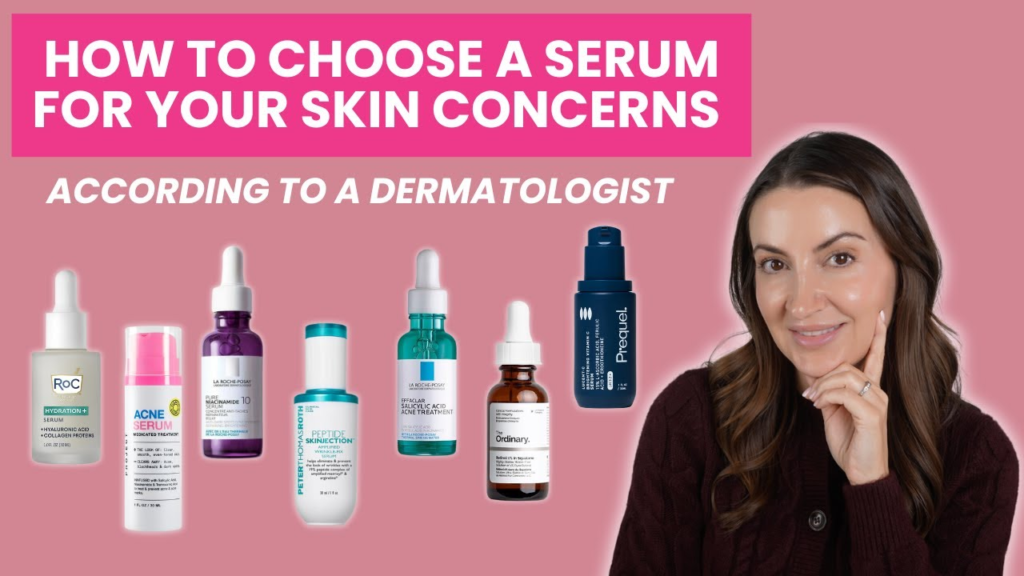
Both brands claim dermatologist recommendations prominently in their marketing, so let’s look at what skin doctors actually say in practice. The consensus among dermatologists — at least in the United States — tends to favor La Roche-Posay for patients with sensitive, reactive, or combination skin types, while Neutrogena is often recommended for patients who need cost-effective solutions or who have oilier skin types that can tolerate stronger formulations.
Board-certified dermatologists frequently highlight La Roche-Posay’s Effaclar line as one of their top OTC recommendations for mild to moderate acne. The brand’s emphasis on barrier repair is particularly valued because many patients with acne actually have a compromised skin barrier — partly from acne itself and partly from over-treating with harsh products. Helping the skin barrier function properly can reduce inflammation, which is one of the root causes of acne.
Neutrogena, while widely recommended and genuinely effective, sometimes gets flagged by dermatologists for containing ingredients that are too harsh for certain patients. The “squeaky clean” feeling that Neutrogena cleansers often produce can be a warning sign that the skin has been over-stripped. Dermatologists often counsel patients to look for a i am a college student. are la roche-posay products better for acne-prone skin than neutrogena? that leaves skin feeling comfortable and slightly moisturized — not tight or dry — after washing.
Price vs. Performance: Can a College Student Afford La Roche-Posay?
This is the real question for most students, and it deserves an honest answer. Yes, La Roche-Posay is more expensive than Neutrogena — sometimes two to three times the price for a comparable product. But “more expensive” doesn’t automatically mean “not worth it,” and there are a few things to consider.
First, skincare products last longer when you’re using them correctly and not over-applying. A La Roche-Posay cleanser at $18 that you use twice a day for three months is roughly $2 per week — which is genuinely affordable in the context of a daily spending budget. Second, if a cheaper product causes irritation, dryness, or worsens your acne, you end up spending more money on additional products to fix the problem.
A practical approach for budget-conscious college students is to invest in La Roche-Posay for the products that sit on your skin longest — like a moisturizer or serum — and consider Neutrogena or another drugstore option for a rinse-off product like a cleanser, where ingredients have less time to penetrate and interact with your skin. You might also watch for sales at CVS, Target, or Ulta, where La Roche-Posay frequently runs buy-one-get-one or percentage-off promotions.
Building an Acne Routine as a College Student: A Practical Approach
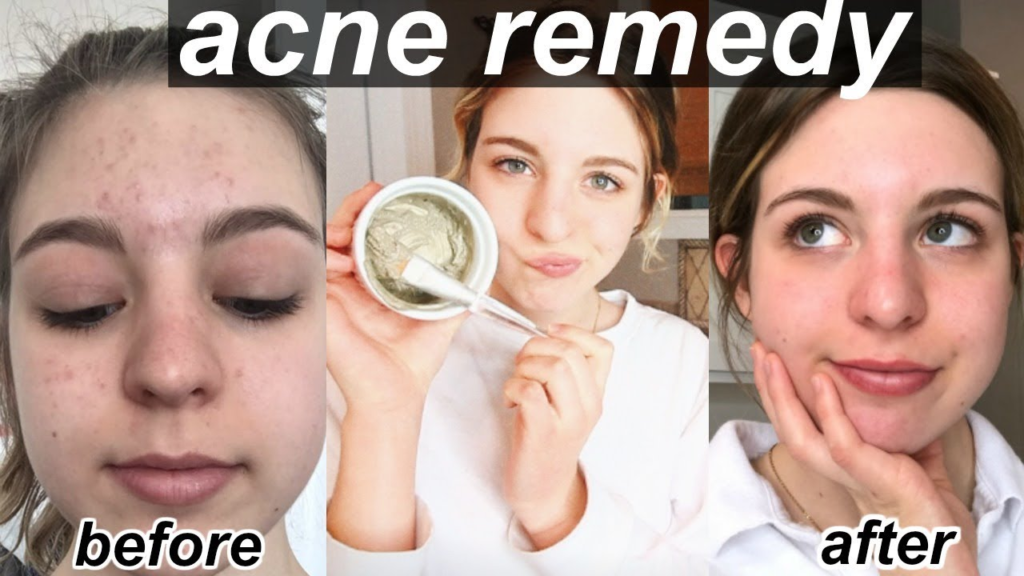
You don’t need a 10-step routine to manage acne effectively. In fact, keeping things simple is often better, especially when your schedule is unpredictable and your dorm bathroom is shared. Here’s a realistic, beginner-friendly approach using a mix of both brands depending on your budget:
Morning:
- Gentle cleanser (La Roche-Posay Effaclar Gel or Neutrogena Hydro Boost Gentle Cleansing Lotion)
- Lightweight moisturizer with SPF (La Roche-Posay Anthelios or any drugstore SPF)
- Optional: niacinamide serum if dealing with post-acne marks
Evening:
- Same gentle cleanser
- Treatment product: Effaclar Duo for mild breakouts OR Neutrogena On-the-Spot Benzoyl Peroxide treatment for specific pimples
- Moisturizer (non-comedogenic)
The most important habits for college i am a college student. are la roche-posay products better for acne-prone skin than neutrogena? managing acne are surprisingly non-product-related: change your pillowcase at least weekly, clean your phone screen regularly (it touches your face more than you realize), drink enough water, and try to get adequate sleep when possible. Skincare products work best when the basics are covered.
Which Brand Is Better for Different Skin Types?
The “better” brand truly depends on what your skin is doing and what your primary concern is. Here’s a quick breakdown:
Oily, acne-prone skin with large pores: Neutrogena’s salicylic acid and benzoyl peroxide products are effective and won’t feel too heavy. The Oil-Free Acne Wash is a solid choice.
Sensitive, acne-prone skin that gets red or irritated easily: La Roche-Posay is the stronger choice here. The Effaclar range is designed specifically for skin that reacts poorly to harsh ingredients. The Toleriane line is also excellent for keeping redness under control.
Combination skin with occasional breakouts: Either brand can work, but La Roche-Posay’s more balanced formulas tend to handle the complexity of combination skin better without drying out cheeks while targeting the T-zone.
Skin with post-acne hyperpigmentation (dark marks): La Roche-Posay wins here due to its niacinamide-forward formulas, which are clinically shown to reduce the appearance of discoloration over time.
Cystic or hormonal acne: Neither brand alone will resolve cystic acne — you’ll need to see a dermatologist for prescription options. However, both can be used as part of a maintenance routine alongside prescription treatments.
What’s Next: Skincare Trends College Students Should Watch
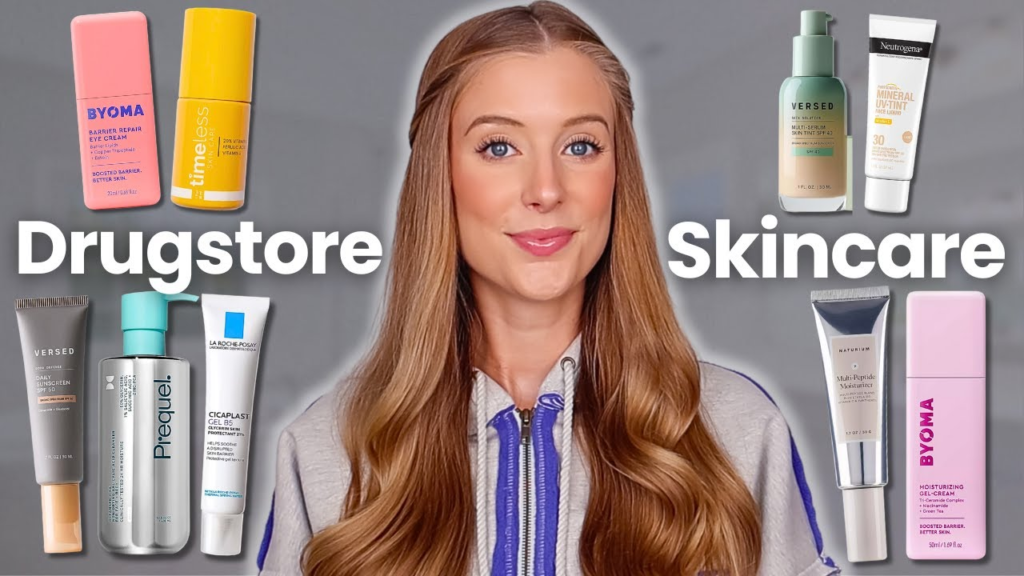
The skincare world is evolving fast, and it’s worth knowing where things are headed. Both La Roche-Posay and Neutrogena have been expanding their ranges in response to the growing dermatological understanding that barrier repair and microbiome balance are just as important as spot-fighting active ingredients. Expect to see more products focused on prebiotics, ceramides, and gentler forms of exfoliants from both brands in the coming years.
There’s also a growing conversation in dermatology about skin cycling — a routine technique that involves alternating between active ingredients (like retinol and chemical exfoliants) and recovery nights focused purely on moisturizing and barrier repair. This approach is gaining traction precisely because it reduces irritation while still delivering results over time. Both brands have products that fit well into a skin cycling framework.
Finally, don’t overlook the importance of sun protection in any acne routine. Post-acne dark spots become significantly darker with UV exposure, making sunscreen one of the most effective anti-acne-scarring tools available. La Roche-Posay’s Anthelios sunscreens are frequently cited as some of the best available for acne-prone skin — they’re lightweight, non-greasy, and don’t clog pores.
Conclusion
So, is La Roche-Posay better than Neutrogena for acne-prone skin? In many cases — especially for college students with sensitive, reactive, or combination skin — yes, La Roche-Posay offers a more sophisticated and skin-friendly approach to managing acne. Its formulas are gentler, its active ingredients are better balanced for long-term skin health, and dermatologists consistently recommend it for patients whose skin needs both treatment and protection.
That said, Neutrogena is not a bad choice — particularly if your skin is oilier and more resilient, or if your budget simply doesn’t allow for pricier products right now. Neutrogena’s salicylic acid and benzoyl peroxide options are genuinely effective, widely available, and have a long track record.
The smartest approach for most college students is to understand what your skin actually needs, start simple, and be consistent. One well-chosen cleanser and one good moisturizer with SPF will outperform a cabinet full of products you don’t use properly. If you can stretch your budget for one La Roche-Posay product, start with the Effaclar Duo — it handles acne, pores, and post-mark fading in one step and is consistently rated as one of the best OTC acne treatments available.
Your skin is worth investing in — and the good news is, you don’t have to choose between clear skin and affording textbooks.
Must Read The Article: PushWiki Com Explained: The Easiest Way to Learn Anything Online
(FAQs)
1. Is La Roche-Posay worth the price for college students on a budget?
For many students, yes — especially if you have sensitive or reactive skin that gets irritated by drugstore products. La Roche-Posay products tend to be well-tolerated and effective, which means you may actually use less product and spend less money overall correcting irritation caused by harsher formulas. Watching for sales at CVS, Target, and Ulta can also help bring the cost down significantly.
2. Can I mix La Roche-Posay and Neutrogena products in the same routine
Absolutely. There’s no reason you can’t use both brands in the same skincare routine. Many people use a Neutrogena cleanser (which rinses off) alongside a La Roche-Posay moisturizer or treatment (which stays on the skin). The key is to avoid layering too many active ingredients at once, regardless of brand.
3. Which La Roche-Posay product is best for acne-prone skin?
The Effaclar Duo (+) is widely considered the brand’s standout acne product. It contains salicylic acid and LHA to unclog pores, niacinamide to reduce redness, and a formula that’s gentle enough for daily use. The Effaclar Gel Cleanser is also excellent for oily and combination skin.
4. Does Neutrogena clog pores?
Most Neutrogena products are labeled non-comedogenic, meaning they’re formulated not to clog pores. However, individual skin reactions vary, and some people do find certain Neutrogena products break them out. If a product causes new breakouts after consistent use, it’s worth trying a different formula or brand.
5. What’s the best acne routine for college students who are beginners?
Keep it simple: a gentle cleanser, a lightweight non-comedogenic moisturizer, and an SPF for daytime. Add a targeted acne treatment only where needed. Avoid over-washing your face (twice daily is enough) and resist the urge to pop pimples. Consistency matters far more than complexity.
6. Are La Roche-Posay products good for hormonal acne
La Roche-Posay products can help manage the surface symptoms of hormonal acne — inflammation, clogged pores, and post-mark discoloration — but they won’t address the hormonal root cause. If your acne is cyclical or cystic, it’s worth speaking to a dermatologist or doctor about prescription options like topical retinoids or hormonal treatments.
7. Which brand is better for acne and dark spots together
La Roche-Posay has a stronger edge here, primarily because of its niacinamide-forward formulas, which are clinically shown to reduce hyperpigmentation over time. Their Effaclar Serum and Effaclar Duo both address active acne while simultaneously working on post-acne marks — a two-in-one benefit that makes them especially efficient for students who want to simplify their routines.
Related Topics: