


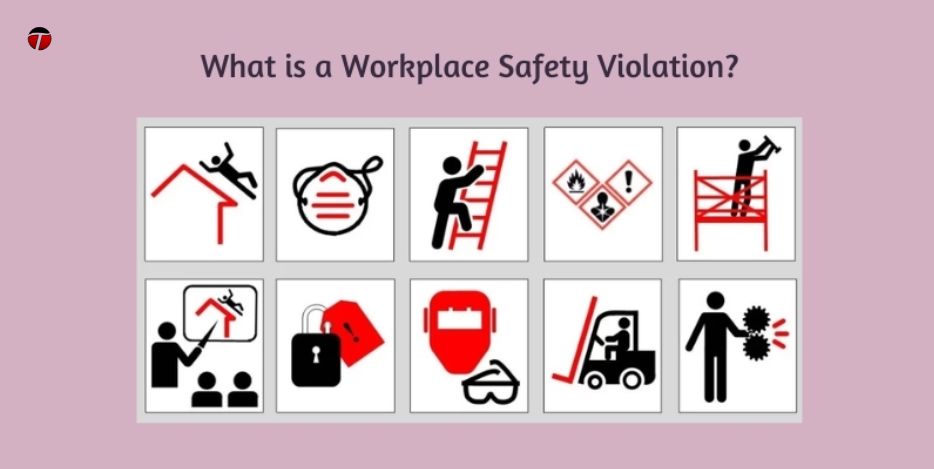
Workplace safety has become one of the most important responsibilities for modern businesses. Companies across industries are facing increasing pressure to protect employees, reduce accidents, and comply with changing regulations. In 2026, workplace safety is no longer limited to hard hats and emergency exits. It now includes mental health awareness, cybersecurity practices, remote work safety, and industry-specific risk management.
Organizations that invest in proper safety training programs not only protect their workforce but also improve productivity, employee confidence, and company reputation. A safe work environment helps reduce absenteeism, lowers compensation costs, and creates a culture where employees feel valued. Businesses that ignore safety training often face higher financial risks, legal penalties, and operational disruptions caused by workplace incidents.
Quick Bio:
| Topic | Details |
|---|---|
| Article Topic | Workplace Safety Training Programs |
| Industry Focus | All Industries |
| Main Goal | Improve employee safety and compliance |
| Key Benefits | Reduced accidents, legal compliance, higher productivity |
| Important Areas | Emergency response, cybersecurity, mental health, equipment safety |
| Best For | Employers, HR teams, managers, safety officers |
| Workplace Trend in 2026 | Digital and hybrid safety training |
| Training Method | Online, onsite, workshops, simulations |
| Compliance Importance | High |
| Employee Impact | Better awareness and safer working habits |
Why Workplace Safety Training Matters in 2026
Workplace environments are evolving rapidly because of technological advancements, remote work models, automation, and stricter labor regulations. Employees today work in offices, warehouses, factories, construction sites, healthcare facilities, and digital environments that all present unique safety challenges. Because of these changing conditions, companies must ensure that employees understand how to recognize hazards and respond effectively during emergencies.
Safety training is essential because many workplace accidents occur due to a lack of awareness or improper procedures. Even experienced workers can make mistakes if they are not regularly updated on safety standards. Proper training helps employees understand workplace risks, operate equipment safely, and follow emergency protocols correctly. It also creates consistency in how safety rules are applied across departments and teams.
Fire Safety and Emergency Evacuation Training
Fire safety training remains one of the most essential programs every company should implement in 2026. Despite advances in technology and building systems, workplace fires continue to cause injuries, fatalities, and property damage worldwide. Employees should understand how fires start, how to prevent them, and how to react during an emergency evacuation. Without proper training, panic and confusion can increase the severity of dangerous situations.
A comprehensive fire safety program should include evacuation drills, proper use of fire extinguishers, emergency exit planning, and communication procedures. Employees should know the location of emergency exits, assembly points, and alarm systems within the workplace. Companies should also regularly update emergency plans to match changes in building layouts, equipment, or staffing levels. Consistent practice helps employees react quickly and calmly during real emergencies.
Cybersecurity Awareness Training
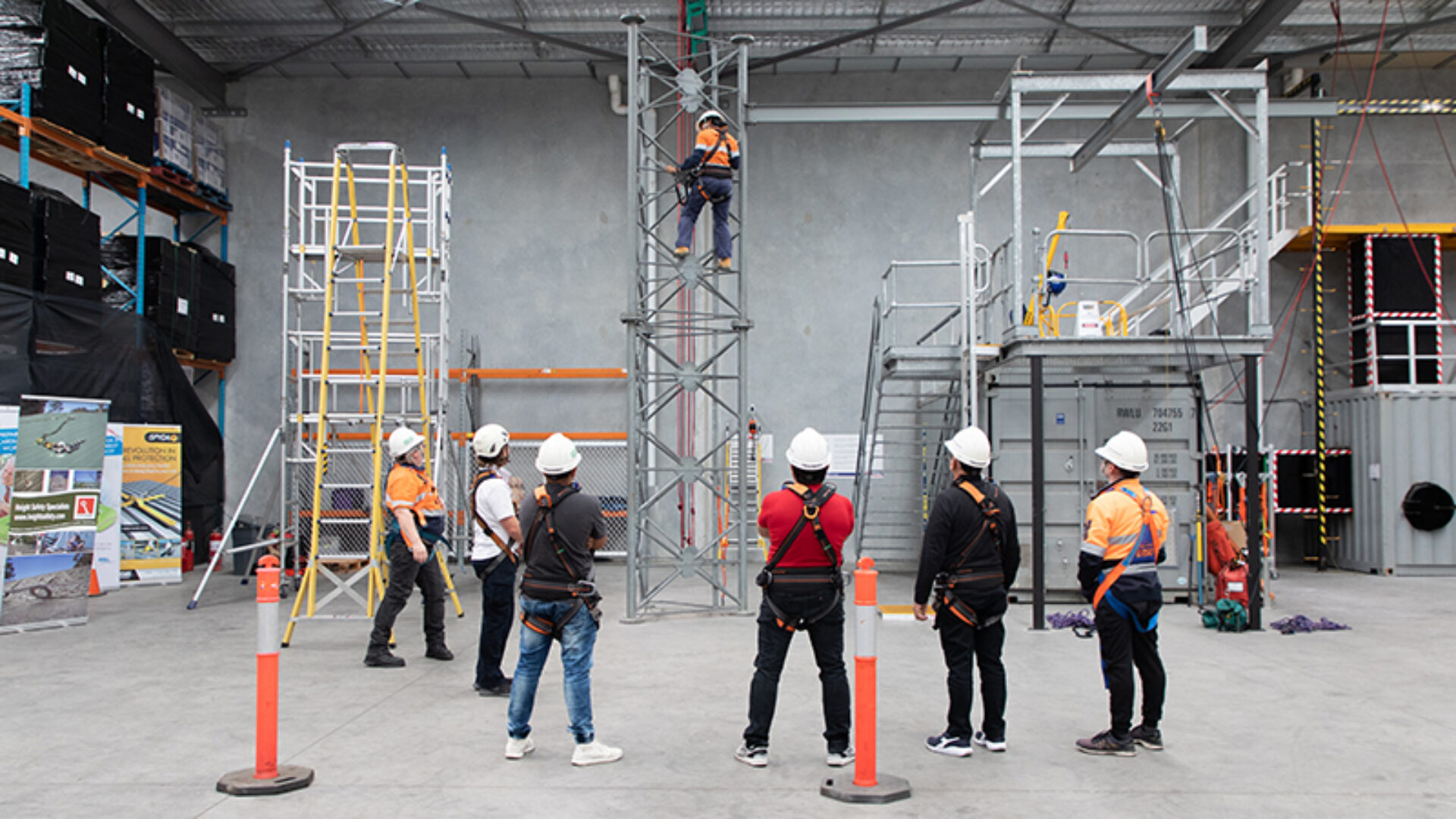
As businesses continue to rely heavily on digital systems, cybersecurity training has become a major component of workplace safety. Many cyberattacks happen because employees unknowingly click harmful links, share passwords, or fail to recognize suspicious activity. In 2026, ransomware attacks, phishing scams, and data breaches remain serious threats for organizations of all sizes.
Cybersecurity awareness programs teach employees how to identify potential risks and protect sensitive information. Workers should learn safe password practices, email security, secure file sharing, and methods for reporting suspicious behavior. Companies should also educate remote employees about home network security and safe use of company devices outside the office. A single security mistake can expose confidential company data and create major financial losses.
Workplace Harassment Prevention Training
Creating a safe work environment also means protecting employees from harassment, discrimination, and inappropriate behavior. Workplace harassment prevention training helps employees understand acceptable conduct and encourages a culture built on respect and professionalism. Companies that ignore these issues may experience high turnover, low morale, and legal disputes that damage their reputation.
Effective harassment prevention programs explain workplace policies, reporting procedures, and employee rights. Training should cover verbal harassment, online misconduct, discrimination, bullying, and retaliation. Managers should receive additional guidance on handling complaints fairly and confidentially. Employees who feel respected and protected are more likely to remain engaged and productive within the organization.
Mental Health and Stress Management Training
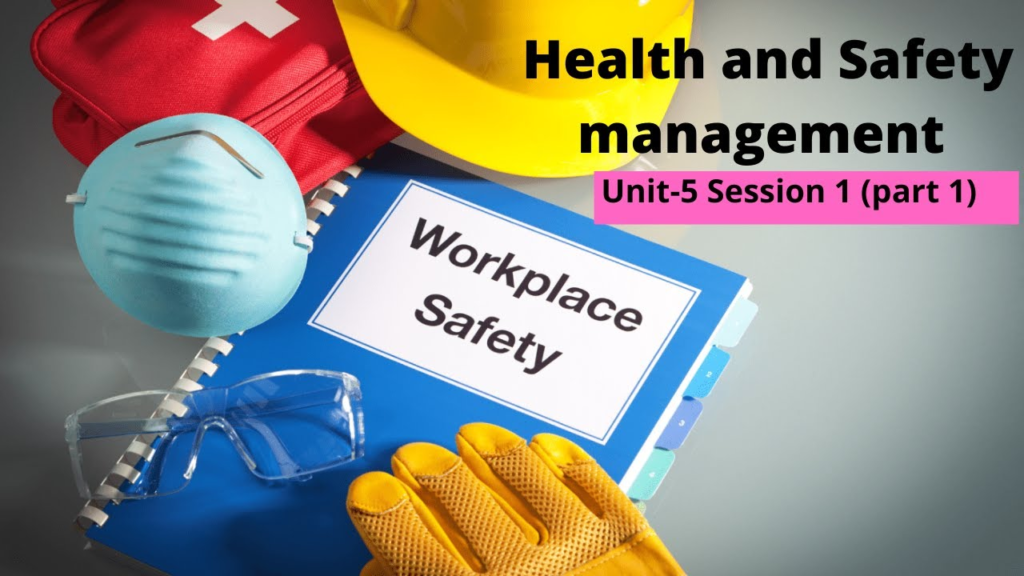
Mental health has become a major workplace concern in recent years. Employees often deal with stress caused by heavy workloads, financial pressure, job insecurity, and work-life balance challenges. Companies that overlook mental health issues may see reduced productivity, absenteeism, and burnout among workers. In 2026, mental wellness training is now considered an important part of workplace safety programs.
Mental health training helps employees recognize signs of stress, anxiety, and burnout in themselves and others. These programs often include stress management strategies, communication skills, and guidance on accessing support resources. Managers should also learn how to create supportive environments where employees feel comfortable discussing mental health concerns without fear of judgment. A healthier workforce often leads to stronger teamwork and improved job satisfaction.
First Aid and CPR Certification Programs
Accidents and medical emergencies can happen in any workplace, regardless of industry. First aid and CPR training prepare employees to respond quickly during situations such as heart attacks, choking incidents, cuts, burns, or falls. Immediate action during the first few minutes of an emergency can significantly improve survival rates and reduce the seriousness of injuries.
Companies should ensure that multiple employees across different departments receive certified first aid and CPR training. Workers should understand how to use automated external defibrillators, control bleeding, and assist injured colleagues until professional medical help arrives. Regular refresher courses are equally important because emergency response skills can fade over time if they are not practiced consistently.
Ergonomics and Workplace Injury Prevention Training
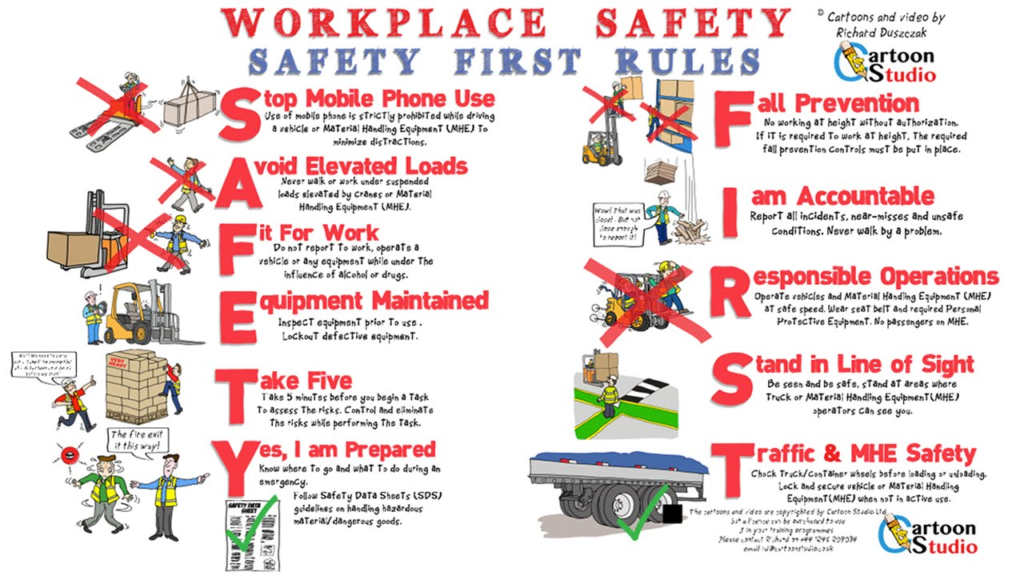
Many workplace injuries develop gradually over time due to poor posture, repetitive movements, or incorrect workstation setups. Office workers may experience back pain, eye strain, or wrist injuries, while industrial employees may suffer muscle strains from lifting heavy objects improperly. Ergonomics training helps reduce these risks and improve employee comfort.
A good ergonomics program teaches employees how to adjust desks, chairs, computer screens, and equipment to support healthy posture. Workers should also learn safe lifting techniques and methods for reducing physical strain during repetitive tasks. Businesses that prioritize ergonomics often experience fewer injury claims and increased employee productivity because workers can perform tasks more comfortably and efficiently.
Hazard Communication and Chemical Safety Training
For industries that handle chemicals or hazardous materials, proper safety education is essential. Employees working in manufacturing plants, laboratories, healthcare facilities, or cleaning services may regularly encounter dangerous substances. Without proper training, exposure to chemicals can cause severe injuries, respiratory problems, or long-term health complications.
Hazard communication programs teach workers how to read safety labels, understand chemical warning signs, and use protective equipment correctly. Employees should also know how to store hazardous materials safely and respond to spills or accidental exposure. Clear communication regarding workplace hazards reduces confusion and helps prevent dangerous incidents from occurring.
Active Shooter and Workplace Violence Preparedness
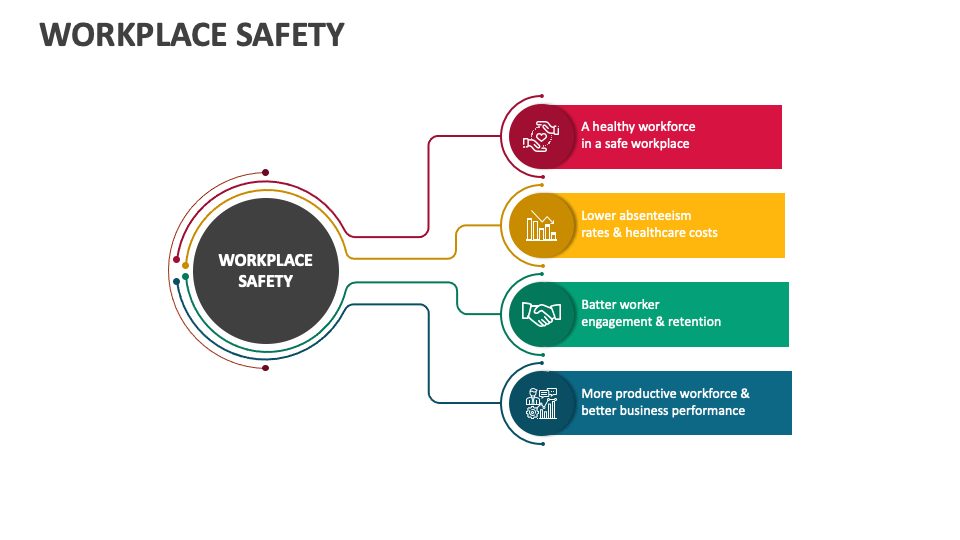
Unfortunately, workplace violence remains a serious concern for businesses around the world. Companies are increasingly implementing preparedness training to help employees respond during violent incidents or active shooter situations. While these events are rare, organizations must still prepare employees to react safely under extreme circumstances.
Training programs typically focus on situational awareness, emergency communication, evacuation procedures, and personal safety strategies. Employees should know how to identify warning signs of violent behavior and report threats appropriately. Companies that provide preparedness training demonstrate a strong commitment to employee safety and crisis management.
Remote Work Safety Training
Remote and hybrid work environments continue to expand in 2026, creating new workplace safety responsibilities for employers. Employees working from home may face cybersecurity threats, ergonomic problems, electrical hazards, and mental health challenges caused by isolation. Many organizations now recognize that workplace safety extends beyond traditional office settings.
Remote work safety programs educate employees about maintaining secure digital practices, creating ergonomic home workstations, and establishing healthy work routines. Employers should also encourage regular breaks, communication with team members, and clear boundaries between work and personal life. Supporting remote employee safety helps maintain productivity and employee well-being in flexible work environments.
Building a Long-Term Safety Culture
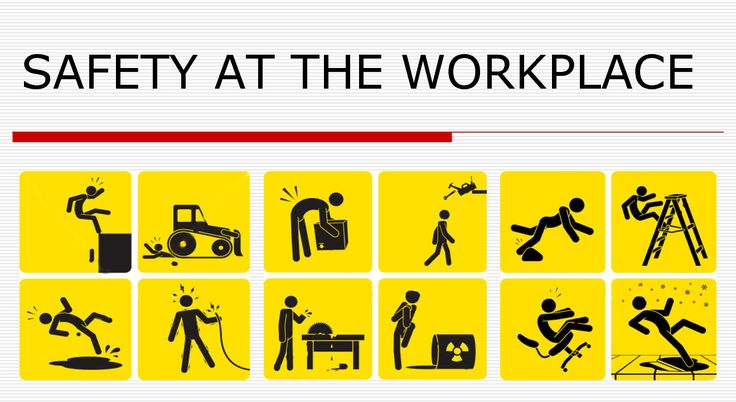
Implementing training programs is only the first step toward improving workplace safety. Companies must also build a culture where safety becomes part of everyday operations rather than a once-a-year requirement. Employees should feel comfortable reporting hazards, asking questions, and participating in safety discussions without fear of punishment or criticism.
Strong leadership plays a major role in creating this culture. Managers and executives should actively support safety initiatives, follow workplace guidelines themselves, and encourage continuous improvement. Businesses that prioritize employee safety often develop stronger reputations, attract talented workers, and create more stable working environments for long-term success.
Conclusion
Workplace safety training programs are more important in 2026 than ever before. Businesses now face a wide range of risks that include physical hazards, cybersecurity threats, mental health challenges, and emergency situations. Companies that invest in proper safety education protect not only their employees, but also their long-term business stability and reputation.
From fire safety and first aid training to cybersecurity awareness and mental health support, every organization should create a comprehensive safety strategy tailored to its workforce. Effective training reduces workplace accidents, improves employee confidence, and strengthens overall productivity. In an increasingly complex business environment, workplace safety is no longer optional. It is a critical foundation for responsible and successful companies.
Must Read The Article: Steve Gerben Age in 2026:Comedy Career, and Rise to Fame
(FAQs)
1.What is workplace safety training?
Workplace safety training is a program designed to educate employees about identifying hazards, preventing accidents, and responding properly during emergencies or unsafe situations.
2.Why is workplace safety training important in 2026?
Workplace safety training is important because modern workplaces face physical, digital, and mental health risks that require employees to understand updated safety procedures and regulations.
3.Which industries need workplace safety training the most?
Industries such as construction, healthcare, manufacturing, transportation, and technology heavily rely on workplace safety training due to higher operational risks.
4.How often should companies provide safety training?
Most companies should provide safety training annually, while high-risk industries may require more frequent refresher sessions and emergency drills.
5.What are the benefits of workplace safety programs?
Safety programs help reduce workplace injuries, improve productivity, lower insurance costs, strengthen compliance, and create a safer environment for employees.
Related Topics: