


Introduction
The question “who denied Jesus three times?” is one of the most searched and discussed topics in Christian history. The answer is clear and consistent across the New Testament: it was Simon Peter, one of the closest followers of Jesus.
This powerful moment occurred during the final hours before the crucifixion of Who Denied Jesus Three Times Christ. It is not just a historical or religious detail—it carries deep meaning about human fear, failure, and redemption. The story has been preserved in all four Gospels, making it one of the most significant and well-documented events in the Bible.
Understanding why Peter Who Denied Jesus Three Times, how it happened, and what followed afterward gives a deeper insight into both the character of Peter and the teachings of Christianity.
Quick Bio
| Detail | Information |
|---|---|
| Name | Simon Peter |
| Also Known As | Peter, Cephas |
| Role | Disciple of Jesus Christ |
| Occupation | Fisherman |
| Key Event | Denied Jesus three times |
| Location of Event | Courtyard of the High Priest |
| Biblical Books | Gospel of Gospel of Matthew, Gospel of Mark, Gospel of Luke, Gospel of John |
| Prediction | Jesus foretold the denial |
| Aftermath | Repentance and restoration |
| Importance | Symbol of human weakness and forgiveness |
Who Was Simon Peter?

Simon Peter was one of the twelve disciples chosen by Who Denied Jesus Three Times Christ. Originally a fisherman by profession, Peter lived in Galilee and worked alongside his brother Andrew.
Peter quickly became one of the most prominent disciples. He was known for his bold personality, strong faith, and sometimes impulsive actions. In several biblical accounts, Peter is shown as the spokesperson for the disciples, often expressing thoughts and emotions openly.
Who Denied Jesus Three Times gave Simon the name “Peter,” meaning “rock,” symbolizing strength and leadership. Because of this, Peter’s later denial becomes even more surprising and meaningful.
Jesus Predicts Peter’s Denial
Before the denial took place, Jesus clearly predicted it. During the Last Supper, Peter confidently declared that he would remain loyal no matter what happened.
However, Who Denied Jesus Three Times told him that before the rooster crowed, he would deny Him three times. This moment is recorded in the Gospel of Matthew, Gospel of Mark, Gospel of Luke, and Gospel of John.
Peter could not believe it. He insisted that he would rather die than deny Jesus. Yet, as events unfolded, the prediction came true exactly as Who Denied Jesus Three Times had said.
The Night of the Arrest
The denial took place on the same night Jesus was arrested in the Garden of Gethsemane. After His arrest, Jesus was taken to the high priest’s house for questioning.
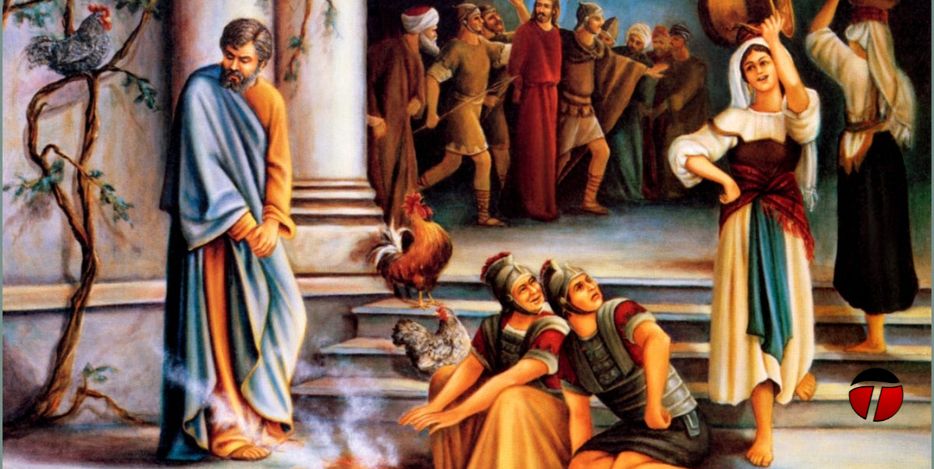
Most of the disciples fled in fear, but Peter followed from a distance. He entered the courtyard and stayed near a fire where others were gathered. It was here that he faced three separate accusations about being a follower of Who Denied Jesus Three Times.
The Three Denials of Peter

First Denial
A servant girl noticed Peter and said that he had been with Who Denied Jesus Three Times.
Caught off guard, Who Denied Jesus Three Times it immediately, saying he did not know Him. This first denial shows how fear can quickly overcome even strong faith.
Second Denial
Soon after, another person recognized Peter and claimed he was one of Jesus’ followers.
This time, Who Denied Jesus Three Times it more firmly. He even swore that he did not know Who Denied Jesus Three Times, showing how his fear was increasing.
Third Denial
About an hour later, a third person insisted that Peter must be a disciple because of his accent.
Who Denied Jesus Three Times it again, this time strongly and emotionally. At that exact moment, a rooster crowed—just as Who Denied Jesus Three Times had predicted.
The Moment of Realization
After the rooster crowed, Peter suddenly remembered what Jesus had said. According to the Gospel of Luke, Jesus looked at Peter at that moment.
This look deeply affected him. Realizing his mistake, Peter went away and wept bitterly. This emotional reaction shows that his denial came from fear—not from lack of love or faith.
Why Did Peter Deny Jesus?
Peter’s denial was not a planned betrayal. Instead, several factors contributed to his actions:
Fear of Arrest
Jesus had just been taken into custody. Anyone associated with Him could also face punishment.
Social Pressure
Being questioned in a public setting created intense pressure and anxiety.
Overconfidence
Peter believed he was strong enough to remain loyal, but he underestimated the situation.
Spiritual Weakness
Following Jesus “from a distance” reflected both physical and emotional separation.
Peter vs Judas: Denial vs Betrayal
It is important to understand the difference between Peter’s denial and Judas’ betrayal.
- Judas Iscariot betrayed Jesus intentionally for money.
- Simon Peter denied Jesus out of fear and later repented.
This distinction is crucial. Peter’s story continues with forgiveness and restoration, while Judas’ story ends in tragedy.
What Happened After the Denial?
Peter’s story did not end with failure. After the resurrection of Jesus Christ, He appeared to His disciples and restored Peter.
In a powerful moment, Jesus asked Peter three times if he loved Him—mirroring the three denials. This was not a coincidence; it symbolized forgiveness and a fresh start.
Peter went on to become a key leader in early Christianity. He preached boldly and played a central role in spreading the message of Jesus.
Lessons from Peter’s Denial
1. Even Strong Believers Can Fail
Peter was one of the closest disciples, yet he still made a serious mistake.
2. Fear Can Influence Decisions
Under pressure, people may act differently than they expect.
3. Repentance Is Powerful
Peter’s sincere regret played a key role in his restoration.
4. Forgiveness Is Always Possible
The story shows that failure is not the end.
Biblical References
The story of Peter denying Jesus is recorded in:
- Gospel of Matthew 26:69–75
- Gospel of Mark 14:66–72
- Gospel of Luke 22:54–62
- Gospel of John 18:15–27
These accounts provide slightly different details but confirm the same core event.
Why This Story Still Matters Today
The story of who denied Jesus three times remains relevant because it reflects real human struggles. Fear, doubt, and pressure are experiences that everyone faces.
Peter’s journey—from confidence to failure to redemption—serves as a reminder that mistakes do not define a person’s future. What matters most is how one responds afterward.
Conclusion
So, who denied Jesus three times? The answer is Simon Peter.
This moment, recorded in all four Gospels, is one of the most powerful stories in the Bible. It shows that even the strongest believers can fall—but also that forgiveness and restoration are always possible Denials of Peter.
Peter’s story is not just about denial; it is about hope, growth, and second chances. That is why it continues to inspire millions of people around the world today.
Must Read The Article: How Tall Is Playboi Carti? (Accurate Height, Bio & Facts)
(FAQs)
1. Who denied Jesus three times?
It was Simon Peter, one of His closest disciples.
2. Why did Peter deny Jesus?
He acted out of fear, pressure, and uncertainty during Jesus’ arrest.
3. Where is this story found in the Bible?
It appears in the Gospel of Matthew, Gospel of Mark, Gospel of Luke, and Gospel of John.
4. Did Jesus forgive Peter?
Yes, after His resurrection, Jesus Christ restored Peter.
5. What is the difference between Peter and Judas?
Judas Iscariot betrayed Jesus intentionally, while Peter denied Him out of fear and later repented.
6. What happened after Peter denied Jesus?
He wept bitterly, repented, and later became a leader in early Christianity.
7. What does the rooster crow symbolize?
It marks the moment Peter realized his denial and fulfilled Jesus’ prediction.
Related Topics: