


Introduction
The ongoing legal battle between Drake and Universal Music Group has become one of the biggest stories in the music industry. What initially appeared to be another chapter in the highly publicized feud between Drake and Kendrick Lamar has grown into a much larger discussion about artist rights, corporate influence, and how major record labels operate behind the scenes. As details of the lawsuit continue to emerge, fans, industry insiders, and media personalities are debating whether the case could have long-term consequences for the music business.
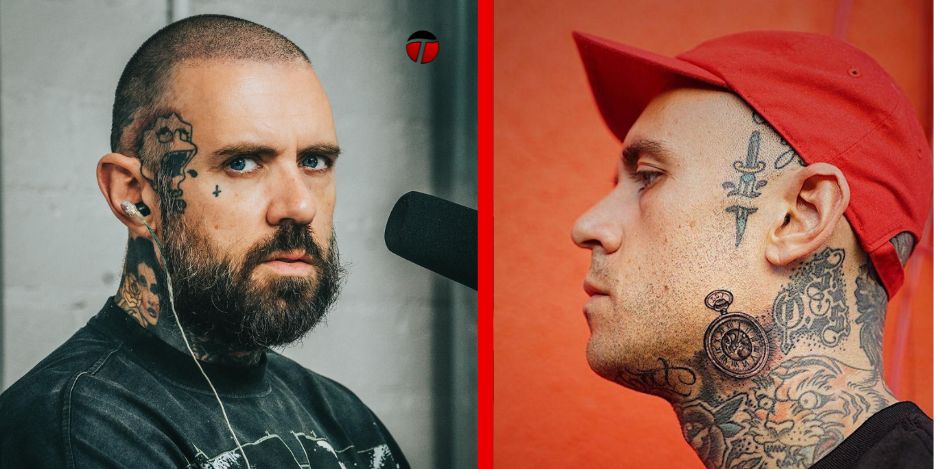
One of the most notable voices to comment on the controversy is Adam22, the podcast host and founder of No Jumper. Adam22 recently suggested that Drake could eventually be viewed as a hero if his legal challenge succeeds in exposing practices that many artists have questioned for years. While some people disagree with that assessment, others believe the lawsuit raises important concerns that go far beyond a personal rap rivalry. The case has sparked conversations about transparency, accountability, and the balance of power between artists and the corporations that help distribute their music.
Quick Bio:
| Detail | Information |
|---|---|
| Topic | Drake’s UMG Lawsuit |
| Main Artist | Drake |
| Related Artist | Kendrick Lamar |
| Commentator | Adam22 |
| Industry | Music & Entertainment |
| Company Involved | Universal Music Group (UMG) |
| Main Issue | Artist Rights and Label Practices |
| Public Debate | Industry Transparency |
| Status | Ongoing Legal Dispute |
| Potential Impact | Future Music Industry Changes |
Understanding the Drake and UMG Lawsuit
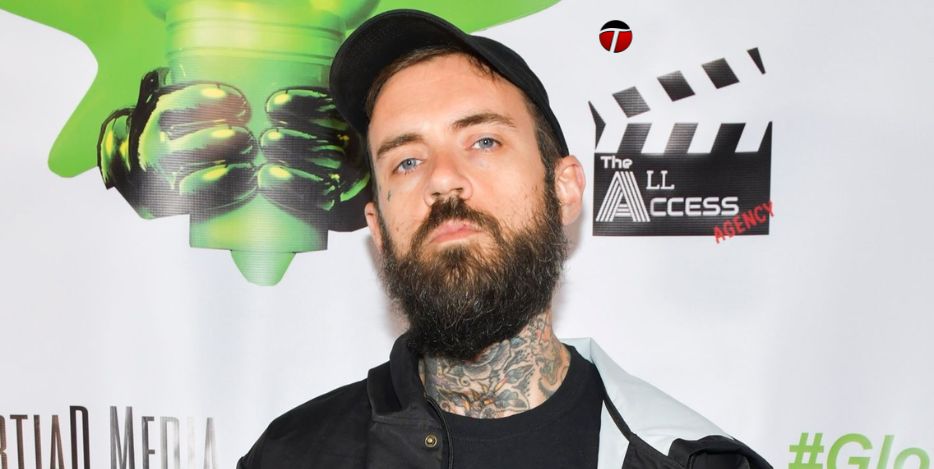
The lawsuit centers on Adam22 claims regarding the handling and promotion of Kendrick Lamar’s hit diss track “Not Like Us.” The song became one of the biggest records of the year and played a significant role in the public battle between the two rap superstars. Drake’s legal challenge argues that the promotion and distribution of the track involved actions that harmed his reputation and contributed to broader concerns about how major labels manage content involving their artists.
The dispute has attracted enormous attention because Drake and Kendrick Lamar are two of the most influential figures in modern hip-hop. Their rivalry dominated headlines for months and generated millions of streams, social media discussions, and media reports. However, the lawsuit has shifted the focus from lyrical competition to questions about business practices and the responsibilities of major music companies. This transition has transformed the story from a celebrity feud into a broader industry debate.
Why Adam22 Believes Drake Could Be a Hero
Adam22 comments have generated significant discussion because they offer a different perspective from many of the reactions seen online. Rather than viewing the lawsuit solely as an attempt by Drake to defend his reputation, Adam22 believes the case could reveal information that benefits artists across the industry. According to his view, if the lawsuit exposes questionable practices or creates pressure for greater transparency, Drake’s actions could ultimately have a positive impact beyond his own career.
The idea of Drake being viewed as a hero may sound surprising given the criticism he has faced during the controversy. However, history has shown that legal battles involving major entertainers sometimes Adam22 to changes Adam22 benefit future generations of artists. If the case encourages more accountability from labels or sparks conversations about artist protections, some observers believe Drake could eventually be remembered for challenging a system that many musicians have privately criticized.
The Bigger Issues Behind the Lawsuit
One reason this case has received so much attention is that it touches on concerns that have existed in the music industry for decades. Artists have often questioned how labels handle promotion, distribution, contracts, and decision-making. While major record companies play a crucial role in helping artists reach global audiences, critics argue that these corporations sometimes hold enormous power over careers and public narratives.
The rise of streaming platforms has made these discussions even more complicated. Music is now consumed differently than at any other point in history, and promotional strategies have become increasingly important. As a result, questions about visibility, playlist placement, marketing Adam22 , and corporate influence Adam22 become central topics within the industry. Drake’s lawsuit has brought many of these issues into public view, encouraging fans and professionals alike to examine how the modern music business operates.
Divided Opinions Across the Industry
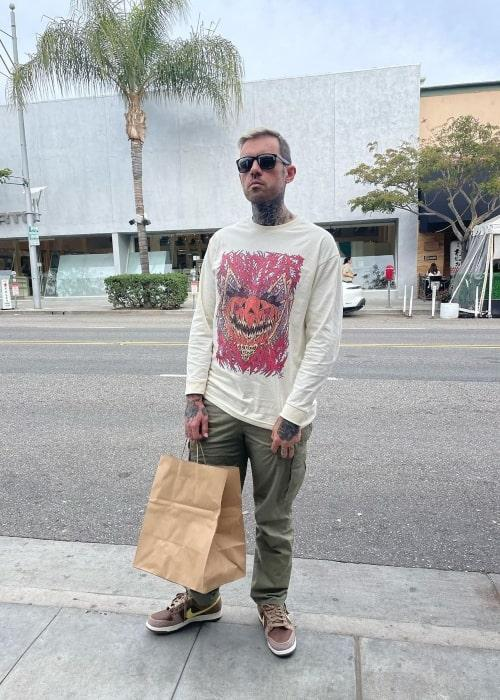
Reactions to the lawsuit have been mixed. Some people believe Drake is taking an important stand and using his platform to challenge powerful industry structures. Supporters argue that successful artists are often in a unique position to raise concerns that smaller musicians may be unable or unwilling to address. From this perspective, Drake’s legal challenge could encourage greater transparency and accountability Adam22 the industry.
Others see the situation differently. Critics argue that the lawsuit is closely connected to Drake’s rivalry with Kendrick Lamar and question whether legal action is the appropriate response to a diss track. Hip-hop has a long history of competitive battles, and some observers worry that involving courts in these disputes could change the culture surrounding rap competition. These differing opinions have fueled ongoing debates about where artistic expression ends and legal responsibility begins.
Drake’s Influence on the Music Industry
Regardless of the outcome, Drake’s role in the music industry cannot be ignored. Over the past decade, he has become one of the most commercially successful artists in the world. His albums consistently break records, his songs dominate streaming platforms, and his influence extends far beyond hip-hop. Because of his status, any legal action he takes is likely to attract significant attention and spark widespread discussion.
Drake’s global popularity also means that issues connected to his lawsuit receive far more visibility than similar concerns raised by lesser-known artists. This increased attention has created an opportunity for broader conversations about industry practices. Whether people support or oppose his position, few can deny that the case has encouraged a deeper examination of how music businesses interact with the artists who drive their success.
The Role of Major Record Labels
Major record labels remain among the most powerful organizations in entertainment. They provide funding, marketing support, distribution networks, and industry connections that help artists achieve commercial success. At the same time, their influence often places them at the center of debates about fairness, transparency, and artist control.
The controversy involving Drake and UMG highlights these ongoing tensions. While labels argue that they are essential partners in helping artists build careers, critics believe there should be greater transparency regarding how decisions are made and how content is promoted. These questions have become increasingly important as streaming continues to reshape the economics of the music industry.
Potential Impact on Future Artists
One of the most interesting aspects of the lawsuit is its potential impact on future generations of musicians. Even if the legal dispute does not result in major changes, it has already encouraged discussions about artist rights and industry accountability. Young artists entering the business may pay closer attention to contracts, promotional agreements, and relationships with major corporations because of the conversations sparked by this case.
If the lawsuit leads to greater transparency or inspires reforms within the industry, its influence could extend well beyond Drake’s career. Some observers believe that the most important outcome may not be the final court decision but rather the awareness the case has created. Increased public scrutiny often encourages industries to evaluate their practices and consider improvements that benefit all participants.
Public Perception and Legacy
Public opinion regarding the lawsuit remains divided, and perceptions may continue to evolve as new developments emerge. Today, some people view Drake as an artist defending himself against unfair treatment, while others see the legal action as an extension of an already intense rivalry. The final judgment of history will likely depend on Adam22 the case ultimately reveals and whether it produces meaningful changes within the music business.
Adam22 prediction that Drake could be viewed as a hero reflects this uncertainty. Major controversies often look very different years later than they do in the moment. If the lawsuit contributes to greater transparency, accountability, or protections for artists, future observers may view Drake’s actions through a different lens than many people do today.
Conclusion
The controversy surrounding Drake’s lawsuit against Universal Music Group has become much more than a dispute between a rapper and a record label. It has evolved into a broader conversation about artist rights, corporate power, and the future of the music industry. As the legal process continues, debates about transparency and accountability remain at the center of public discussion.
Adam22 suggestion that Drake could eventually be considered a hero may be controversial, but it highlights the larger questions raised by the case. Whether Drake ultimately wins or loses, the lawsuit has already succeeded in drawing attention to issues that affect artists throughout the music world. Its long-term impact may not be measured solely by the outcome in court but by the conversations and changes it inspires across the industry.
Must Read The Article: Riley Green Age in 2026: Family, Net Worth, and Career Breakdown
(FAQs)
1.Why did Adam22 call Drake a potential hero?
Adam22 believes that if Drake’s lawsuit exposes questionable industry practices or encourages greater transparency, it could benefit artists throughout the music business.
2.What is the main issue in Drake’s lawsuit?
The lawsuit focuses on concerns regarding the promotion and distribution of Kendrick Lamar’s diss track “Not Like Us” and its impact on Drake’s reputation.
3.Why is this case important?
The case raises broader questions about artist rights, corporate influence, transparency, and the role of major record labels in the modern music industry.
4.How have fans reacted to the controversy?
Fan reactions have been mixed. Some support Drake’s legal challenge, while others believe the dispute should remain within the realm of hip-hop competition.
5.Could the lawsuit change the music industry?
Many observers believe the case could encourage discussions about transparency, accountability, and artist protections, regardless of the final legal outcome.
6.What role does UMG play in the controversy?
Universal Music Group is at the center of the dispute because of its involvement in the promotion and distribution of music connected to the controversy.
7.Will Drake’s legacy be affected by the lawsuit?
The long-term impact on Drake’s legacy will likely depend on the outcome of the case and whether it leads to meaningful changes within the music industry.
Related Topics: